
Last updated November 17, 2026
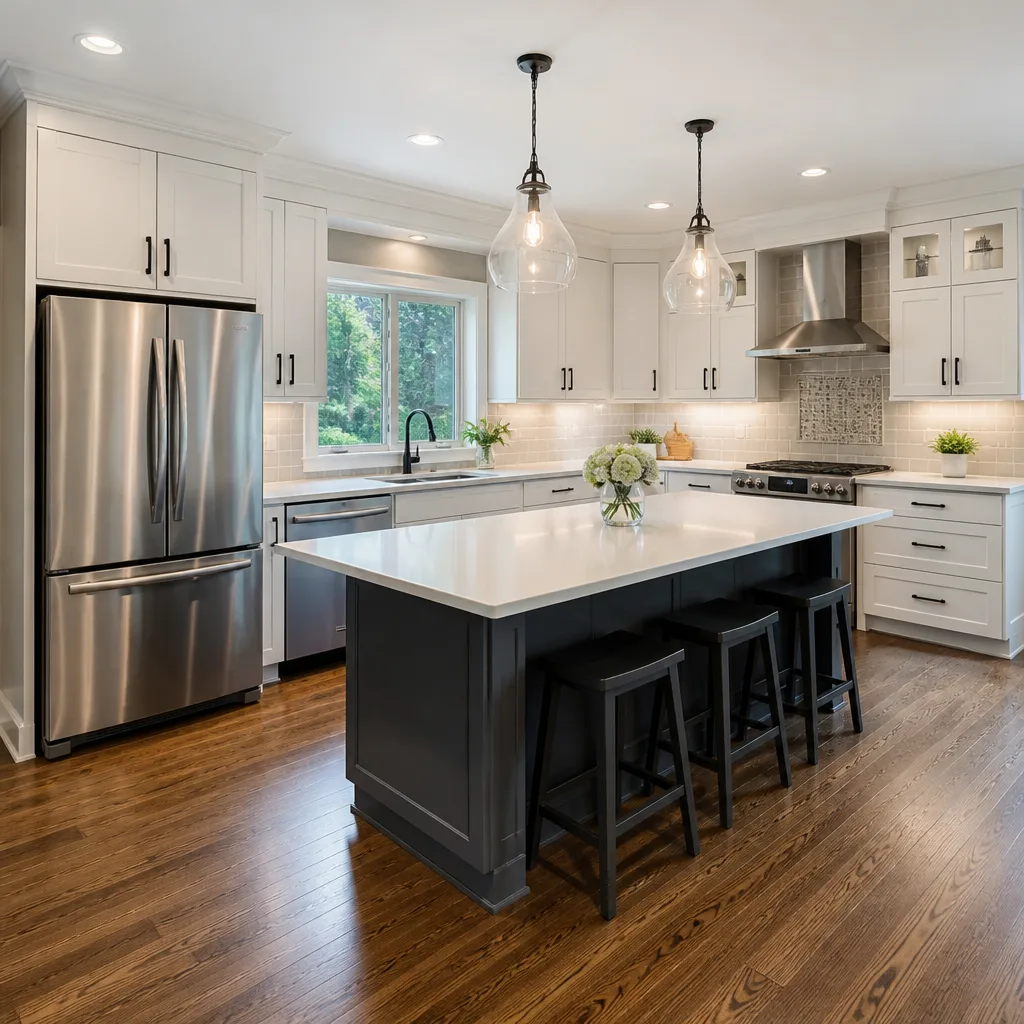 Kitchen remodeling
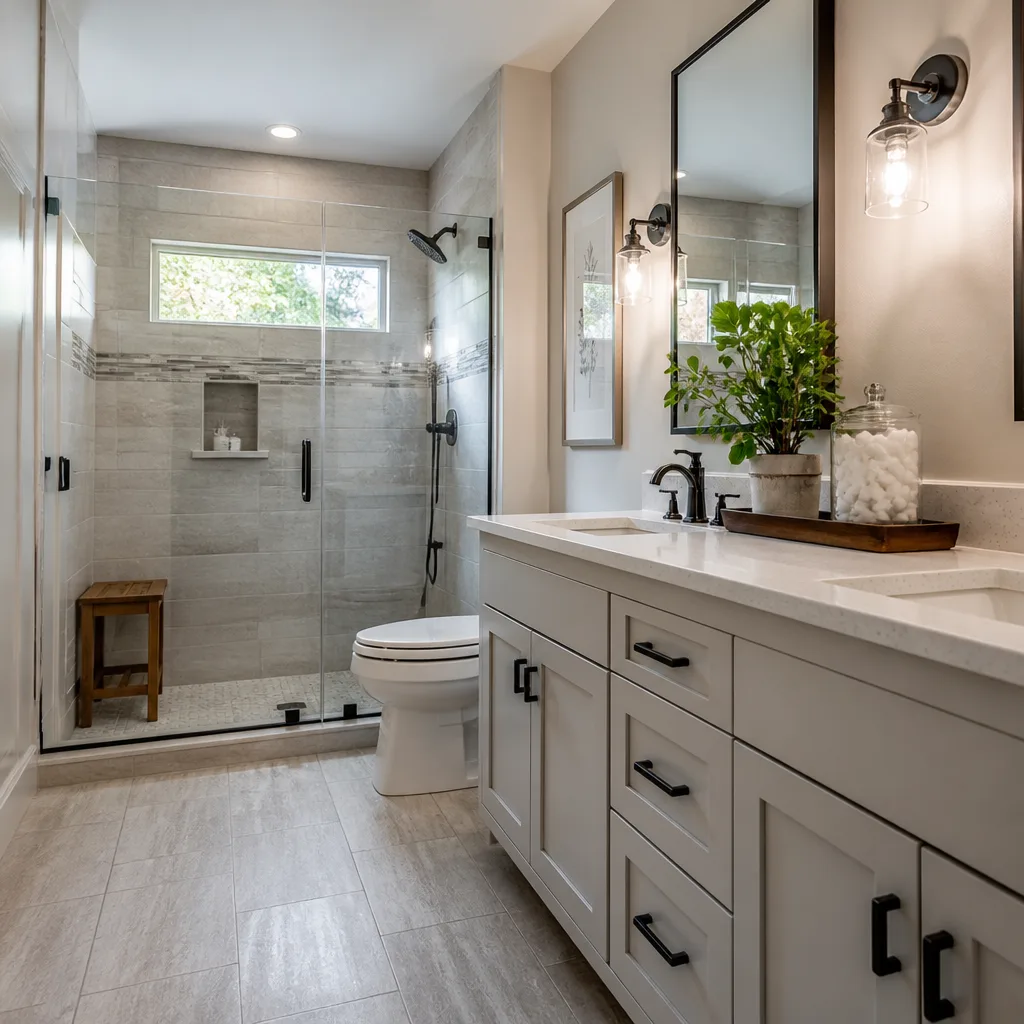 Bathroom remodeling
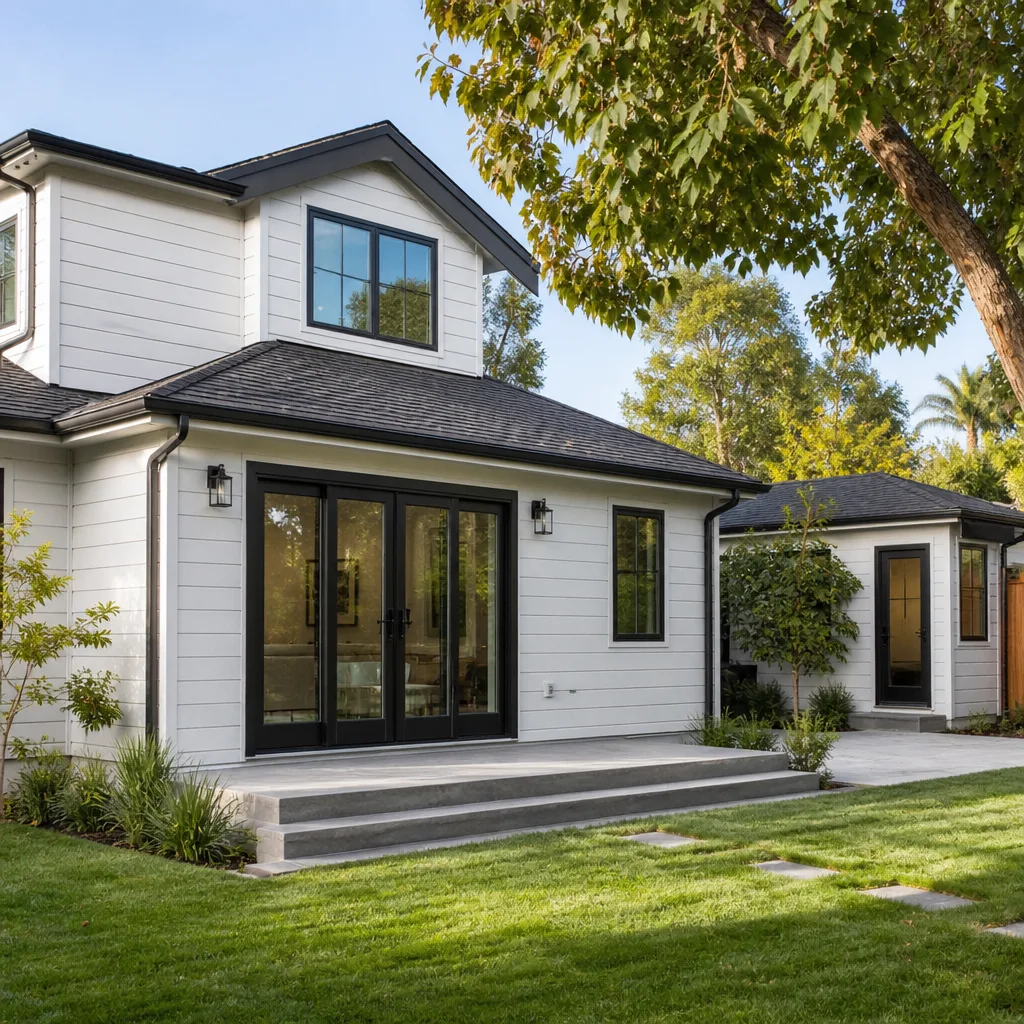 Home additions & ADU
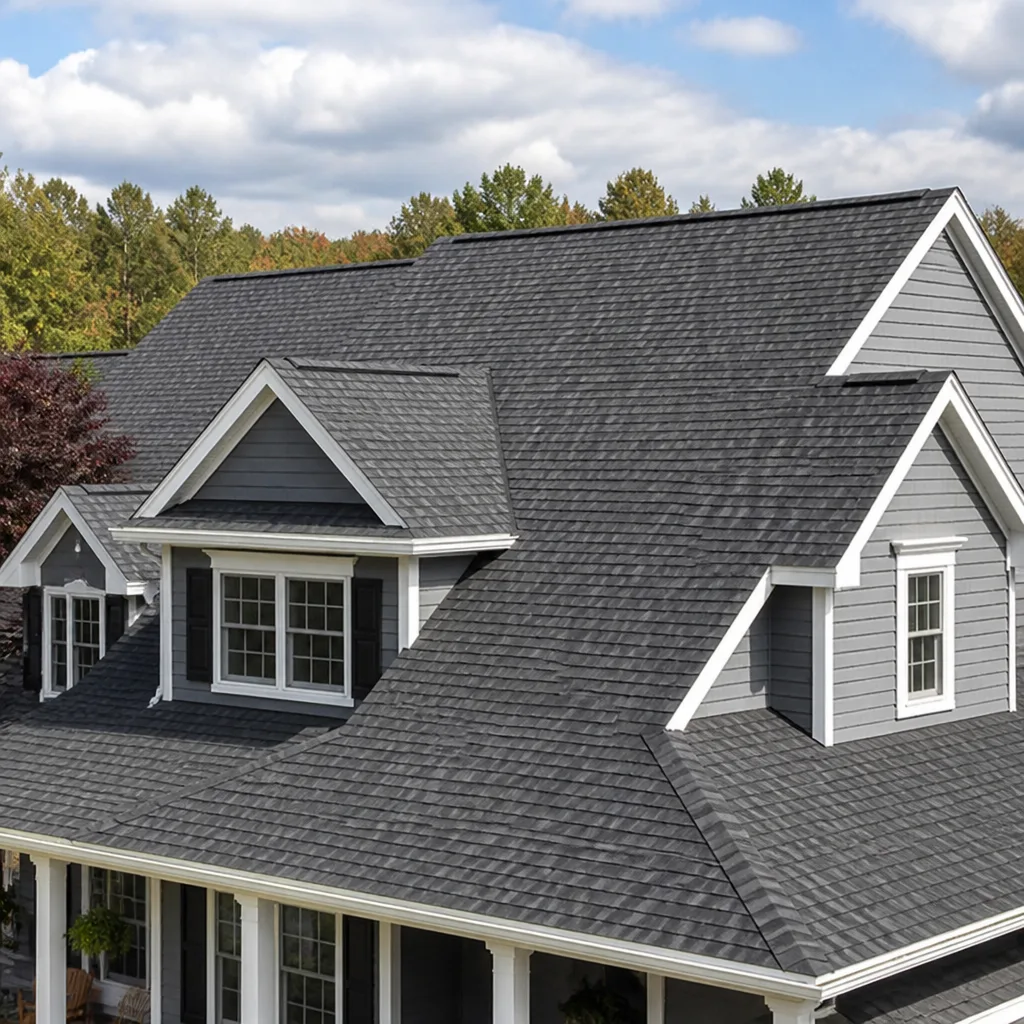 Roofing
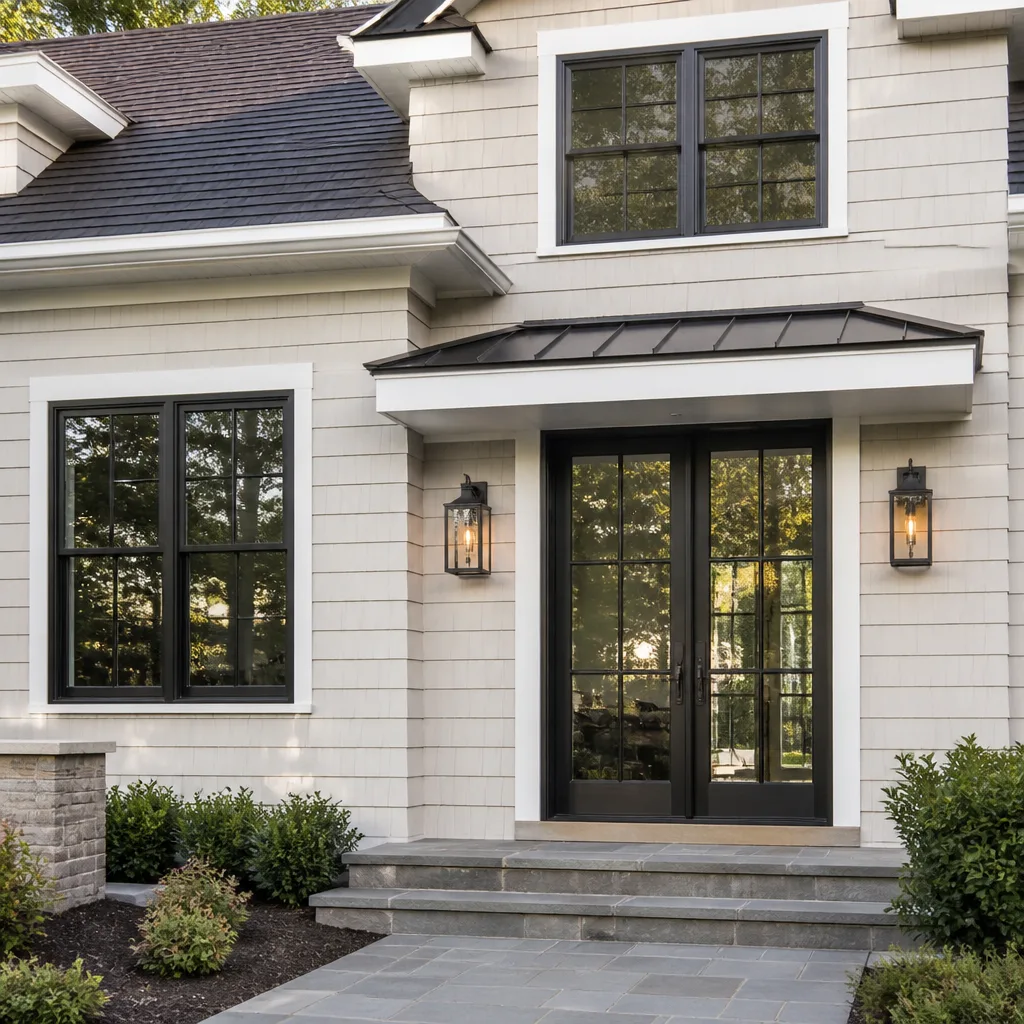 Windows & doors
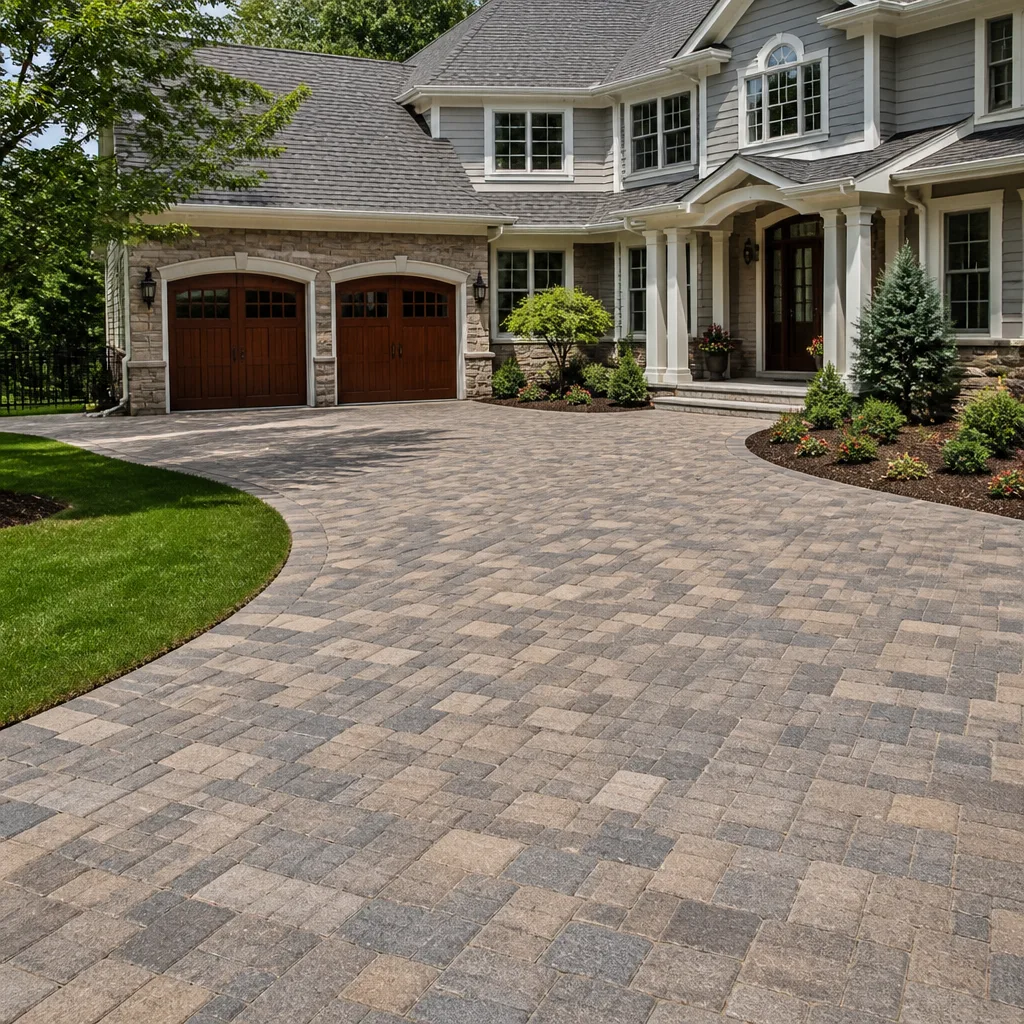 Driveway & pavers
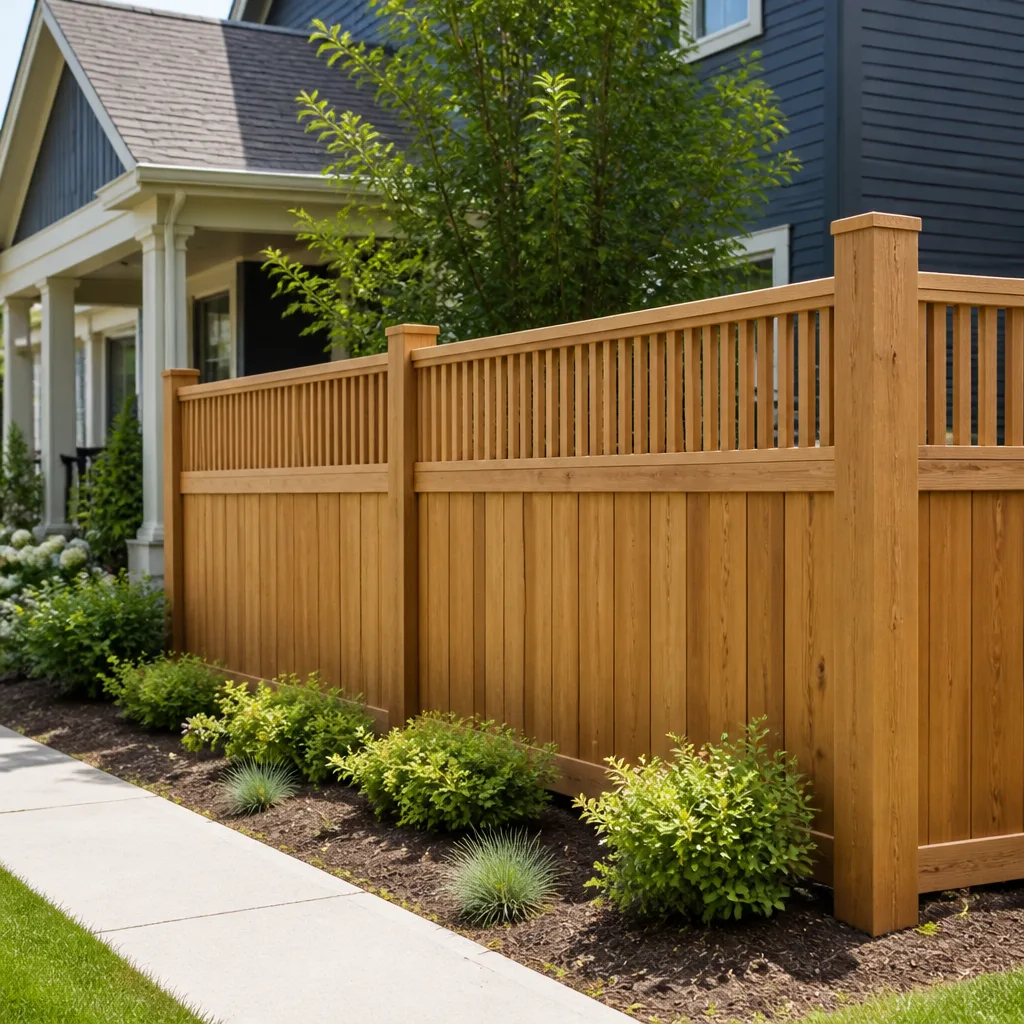 Fence
Free written scope consultation - allowances, timeline, and change-order rules on paper before a single trade is scheduled
Choosing the Right Construction Brand: A Buyer’s Guide for Summerlin
There are four different product lines sold under the KraftMaid name, and two of them are made to a specification most cabinet professionals would not install in their own homes. That’s the uncomfortable truth about brand shopping in construction: the name on the brochure tells you almost nothing about the product actually going into your walls. Summerlin homeowners routinely pay premium labor rates for commodity-grade materials because their contractor buys whatever the local supply house had on the truck that week. This guide breaks down how brand tiers actually work in cabinetry, countertops, roofing, pavers, and plumbing fixtures, which premium products genuinely earn their price in the high desert, and how to verify what you’re buying before you sign. You’ll leave knowing what to ask for, what to download, and what to walk away from.
Quick Answer
The right construction brand for a Summerlin project is the one whose specific product line is specified, by model number, in your written bid – not just the brand name on a showroom display. Tier matters more than the logo: within nearly every category, manufacturers sell a premium line and a commodity line under the same name, and the commodity line is often what gets installed when nobody checks. Your job as a buyer is to demand the specification sheet, not the brochure, for every major material, and to compare line-for-line before you compare price.
Styles & brands we work with
- Kitchen remodeling
- Bathroom remodeling
- Home additions & ADU
- Roofing
- Windows & doors
- Driveway & pavers
- Fence
Table of Contents
- Why Brand Name Tells You Almost Nothing
- Cabinetry Tiers: KraftMaid and Wellborn Decoded
- Countertops: Cambria, Silestone, and Caesarstone in the Desert
- Roofing Systems: Why the Install Matters as Much as the Shingle
- Pavers and Hardscape: Seven Manufacturers, Three Real Differences
- Plumbing Fixtures: Kohler, Grohe, and Toto Tiers
- What Actually Performs in the Summerlin Climate
- How to Verify You Got the Brand You Paid For
- The Distributor Advantage Explained
- Questions to Ask Before You Sign
Why Brand Name Tells You Almost Nothing
Almost every major manufacturer in residential construction runs a tiered product strategy. A single brand name can cover a builder-grade commodity line, a mid-tier line sold through independent dealers, and a premium line with different materials, joinery, hardware, and warranties. The differences are real and measurable. The brand on the label is the same.
We’ve seen this play out in Summerlin constantly. A homeowner gets three bids, the middle one names a premium brand, and they pick it assuming they’re getting the premium product. Then the cabinetry arrives with stapled particleboard boxes where the other line would have used dovetail plywood drawers, or the shingles turn out to be the manufacturer’s entry-level architectural line rather than the laminated system in the premium tier. None of this is fraud. It’s marketing. The brand name was accurate; the product line was not what the buyer imagined.
Here’s how brand tiers work in general:
- Builder-grade or commodity line: Engineered for volume and price. Survives a spec home; doesn’t age well under heavy daily use. Often stocked at big-box retailers.
- Dealer or mid-tier line: Better materials, tighter tolerances, longer warranties. Sold through independent distributors and specialty showrooms. This is the sweet spot for most renovation projects.
- Premium or flagship line: Best materials, custom options, longest warranties, hardest lead times. Worth the money when the use case actually demands it.
The homeowner’s job is to know which tier they’re paying for and insist the bid names the specific line. When we build a project scope, we list the model line, not just the manufacturer, precisely because “install a name brand” is not a specification.
Cabinetry Tiers: KraftMaid and Wellborn Decoded
KraftMaid runs multiple distinct product lines under one name, and the tiers are separated by construction, not styling. At the entry end, boxes are built with stapled particleboard; drawer boxes are frequently stapled melamine. Walk up the ladder and you find plywood or solid-wood boxes, dovetail drawer joinery, full-extension soft-close undermount glides, and thicker face frames. Same manufacturer. Different cabinet.
What to look at when comparing cabinet tiers:
- Box material and joinery. Plywood or solid wood with glued and screwed corners outlasts stapled particleboard under a Summerlin summer, when interior humidity swings as the air conditioning runs hard and the cabinets dry out.
- Drawer boxes and glides. Dovetail jointed solid wood with full-extension soft-close undermount slides is the mid-tier standard. Stapled melamine and epoxy-coated slides are the commodity line.
- Door construction. Solid wood with a mortised frame holds up better to seasonal movement than MDF with a veneered face; in a desert climate, that difference shows up over a couple of years, not a decade.
- Finish warranty. Premium lines typically carry a longer finish warranty because the coating process is more rigorous. Ask for the warranty document, not just a verbal reassurance.
- Options available at that tier. Custom sizing, integrated organizers, and non-standard door profiles are usually locked to the premium tiers, so the line you pick determines what the kitchen can become.
Wellborn follows a similar tiered structure with its own lines, and the same rule applies: ask which line, get the specification sheet, and compare it to the alternative. We source from both KraftMaid and Wellborn precisely because the right answer depends on the kitchen, not the manufacturer’s marketing. You choose the material; we handle the craft.
For a full read on how cabinets fit into a wider remodel, see our guide to kitchen remodeling.
Countertops: Cambria, Silestone, and Caesarstone in the Desert
Quartz countertops in Summerlin are a strong choice for daily-use kitchens, but only if you know which quartz you’re buying. Cambria, Silestone, and Caesarstone are all engineered quartz surfaces, all made from roughly 90 to 95 percent ground quartz bound with resin and pigment, and all perform in a similar band for hardness, stain resistance, and non-porosity. The tier differences are in design depth, slab consistency, edge profiles, and warranty terms.
What matters in a desert climate:
- Thermal shock. Quartz does not love a hot pan landing on it. That’s not a brand difference; it’s an inherent property. Use a trivet regardless of which premium quartz you choose.
- UV exposure. If the counter is near a window with direct summer light, check the manufacturer’s UV-resistance statement. All three brands publish this; not every line is rated the same.
- Slab consistency. Premium quartz brands have tighter batch matching, which matters when you need a waterfall edge or a large island. Cheaper quartz often has visible color shifts between slabs from the same order.
- Warranty. All three brands offer residential warranties; the terms and what voids them differ. Get the warranty document before you sign.
Granite, marble, and porcelain slabs are also in play, and each has tradeoffs in Summerlin’s climate: granite handles heat better than quartz but needs periodic sealing; marble is beautiful and stains easily; porcelain is the toughest of the three against heat and UV but has a different edge-finishing profile. The right choice depends on the kitchen, not the cover photo.
Where premium quartz genuinely earns its price is in the finishing: edge profiles, integrated backsplashes, sink cutouts, and the wet-room work behind the wall. The slab is one piece of the job.
Roofing Systems: Why the Install Matters as Much as the Shingle
Six major asphalt shingle manufacturers cover most of the residential market in the Southwest: GAF, CertainTeed, Owens Corning, IKO, Atlas, and Tamko, with Boral covering tile. The brand you pick matters less than the system the installer uses underneath. A premium shingle installed over the wrong underlayment, without ice-and-water shield in the valleys, and without proper attic ventilation will fail faster than a mid-tier shingle installed correctly. That’s not marketing; it’s how shingle roofs actually work.
The roof system includes:
- Underlayment. Synthetic beats felt in a desert: better UV resistance and less prone to wrinkling. The brand varies, but the spec should be stated in writing.
- Starter course and hip-and-ridge. Manufacturer-specific starter strips and ridge caps matter because they anchor the warranty. A GAF-certified system uses GAF starter and ridge components; a mixed system often voids the warranty.
- Ice-and-water shield in the valleys and penetrations. Naming aside, this is a waterproofing membrane that keeps monsoon rain and wind-driven water from finding a path under the shingles.
- Ventilation. Ridge vents, soffit vents, and intake balance determine how long the roof deck lasts and how hard the AC has to work in July. Ventilation is part of the system, not an accessory.
- Fasteners. Nail patterns and nail type are spec items. A hand-nail versus nail-gun pattern matters for wind uplift ratings.
The premium shingles from each of these manufacturers carry longer warranties and heavier mats than their builder-grade lines. The differences are real but modest at the 20-year mark. Where the tier decision really pays off is on wind ratings and impact ratings, both of which matter during a Summerlin monsoon.
One safe generalization: hail is uncommon here. That’s not the local problem. Wind, UV, and poor ventilation are what shorten roof life in Summerlin, not hail damage.
Pavers and Hardscape: Seven Manufacturers, Three Real Differences
Seven paver manufacturers cover the bulk of what we source: Belgard, Unilock, Techo-Bloc, Tremron, Cambridge, Oldcastle, and Quikrete/Sakrete for the base and setting-bed materials. The differences that actually matter on a Summerlin driveway or patio are simpler than the manufacturer list makes them sound.
- Concrete pavers versus clay or natural stone. Concrete pavers from Belgard, Tremron, or Oldcastle are the workhorse for driveways and pool decks. Clay brick pavers are beautiful but costly and harder to repair. Natural stone pavers (travertine, flagstone) are weather-resilient but demand careful sub-base work, which is the real cost driver.
- Permeable pavers versus traditional. Permeable systems from Unilock or Techo-Bloc matter in Summerlin because they reduce runoff and standing water. They need a properly graded open-graded base to work, and the base is 80 percent of the job.
- Base and bedding materials. Quikrete/Sakrete and similar suppliers make the sand and cement blends that hold the pavers in place. In a desert freeze-thaw cycle (yes, Summerlin gets one in winter nights) the base thickness and compaction level determine whether your pavers stay flat or become a washboard.
Where premium paver tiers earn their price: color retention under UV, edge tolerance (how square the pavers actually are), and dimensional consistency. Cheap pavers underpay on edge and consistency, and that’s the first thing you see when the joints look uneven.
Our driveway & pavers page covers the full scope of this work if you’re planning a curb-to-door upgrade.
Plumbing Fixtures: Kohler, Grohe, and Toto Tiers
Plumbing fixtures are where the brand-tier gap is easiest to spot and easiest to ignore. Kohler, Grohe, and Toto all run multiple product lines under their house names, and the tier gap inside a brand is larger than the gap between brands at the same tier.
What to compare:
- Valve cartridges. A premium Kohler or Grohe faucet uses a ceramic cartridge with a serviceable design. A commodity faucet of the same brand uses a sealed cartridge that has to be replaced entirely and often isn’t in stock at the local supply house when it fails.
- Finish durability. PVD and physical vapor deposition finishes are the top tier; electroplated finishes are the mid-tier. The electroplated finish on a builder-grade faucet looks fine for two years in a well-water house and starts to flake after five.
- Toilet flush technology. Toto’s premium lines have pressure-assisted or gravity systems with a different flush performance envelope than their builder-grade models. In a Summerlin home with limited water pressure, the difference matters in daily use.
- Warranty. Fixture warranties range from one year to a lifetime limited warranty depending on the line. Read the document, not the showroom placard.
The right plumbing fixture tier in Summerlin is usually the mid or premium tier for anything you touch daily: faucets, shower valves, toilets. The builder-grade line makes sense for rarely-used guest bathrooms, and not otherwise.
What Actually Performs in the Summerlin Climate
Some premium brands perform better in the Summerlin climate. Others are premium-priced for aesthetics that hold up identically to mid-tier alternatives once the desert has had a few summers to work on them. Here’s our honest read:
- Performs better, worth the premium: Premium quartz with UV-rated lines near direct sun; premium PVD-finished plumbing fixtures; heavy-warranty architectural shingles with proper ventilation; permeable paver systems with proper base; James Hardie fiber cement siding and trim over commodity alternatives for exterior durability.
- Aesthetically premium, no performance advantage in the desert: Hand-finished specialty countertop edges; hand-scraped or wire-brushed wood-look cabinetry finishes (they fade at similar rates to mid-tier finishes under UV); upgrade door hardware with no functional difference beyond styling.
- Premium for the wrong reasons: Plaster finishes sold on the strength of “east coast tradition” in a climate where stucco and fiber cement are the appropriate choice; imported stone floor tiles that thermally expand at a different rate than the concrete slab under them.
The single biggest performance driver in Summerlin construction isn’t any brand. It’s the installation quality. A mid-tier product installed well outperforms a premium product installed poorly, every time. That’s the honest answer, and it’s the reason to talk through the installation method with your contractor, not just the brand list.
How to Verify You Got the Brand You Paid For
Verification starts before the contract, not after delivery. Here’s the process we recommend to any Summerlin homeowner buying major material:
- Get the specification sheet, not the brochure. Every major manufacturer publishes a spec sheet with construction details, warranty terms, and model numbers. The brochure is marketing; the spec sheet is proof.
- Require the bid to name the product line and model number. Not “KraftMaid cabinetry” – “KraftMaid [line name], model [X], [door style], [finish]”. Vague bids are where substitutions happen.
- Ask for the purchase order before delivery. A reputable contractor will show you the actual order placed with the distributor, including brand, line, and model number. Compare it to the bid.
- Inspect on delivery day. Labels, packaging, and finish tags on delivered material tell you exactly what arrived. Pull one drawer before installation and look at the box material.
- Photograph everything before installation. Packaging, labels, model numbers, and finish tags. This is your paper trail if a warranty claim or a substitution argument ever comes up.
- Keep the warranty documentation. Register the products in your name as soon as the project closes. Manufacturer warranties mostly follow the product, not the contractor.
When a contractor resists any of these steps, that’s information. A confident contractor welcomes the spec sheet conversation.
The Distributor Advantage Explained
A contractor with established accounts at regional distributors gets three things a contractor buying retail cannot reliably get: material consistency, warranty support, and lead-time reliability. None of those are headline-grabbing, but they separate a smooth project from a chaotic one.
Material consistency means that when you order Cambria quartz, the two slabs you get were cut from the same batch and match each other. It means that GAF shingle bundles arrive in the same dye lot. It means the KraftMaid cabinet doors are all from the same production run, so the finish matches across the kitchen. Retail purchases are more likely to mix batches, and mixed batches are where color problems live.
Warranty support means that when something fails, the distributor stands behind the product because the contractor has a real account there. That flows down to the homeowner. Lead-time reliability means the distributor knows the contractor and prioritizes their orders; the retail customer crawling the aisles is nobody’s priority in a supply pinch.
This is also part of the reasoning behind single-contractor scopes. When one contractor handles the driveway, the fence, the roof, and the kitchen under one contract, the material ordering gets coordinated across categories. The Construction Summerlin portfolio is built around exactly that idea: one contractor, every phase, from the driveway to the roofline.
Questions to Ask Before You Sign
These are the questions we would want answered if we were the homeowner. Ask them before the contract, not after:
- Which product line from this manufacturer are you installing? Get the line name and the model number. If the answer is “the premium one,” ask which premium one.
- Can you send me the specification sheet for every major material? Not the brochure. The spec sheet. If it’s not available, the contractor hasn’t sourced it yet.
- What are the lead times on each material? Lead times drive the project schedule. A three-week lead time on quartz versus a six-week lead time changes the whole sequence.
- Do you have an account with the distributor handling this material? Even a soft “yes, we order from them regularly” is a good sign.
- Who holds the manufacturer warranty? In most cases the warranty registration is in the homeowner’s name, but the contractor should know the process.
- What’s your substitution policy? If a material becomes unavailable, what happens? The right answer is a written change order, not a quiet swap at the same brand name.
- Which line items in the bid include brand and model number? The right answer is every major material.
For fences, the same logic applies to panel and post brands. Our fence installation page covers material tiers for post, panel, and gate hardware if it’s part of your project. For ADU and expansion work, the same verification process applies to prefab partners like Abodu, Dvele, and Cover, and to the site-built materials in a stick-built addition; see our home additions & ADU guide for how material specification fits into that process.
Common Mistakes to Avoid
- Buying the brand name, not the product line. A bid that says “premium cabinets” or “name-brand quartz” without specifying the line is a bid that leaves room for substitution. The brand name is the marketing; the line is the product.
- Comparing bids on price without comparing specs. Three bids in Summerlin at wildly different prices usually reflect three different materials. Compare the spec sheets first, then the price. If two bids don’t name the same line, they aren’t comparable.
- Assuming premium always performs in the desert. Some premium products here are premium for aesthetics that hold up identically to mid-tier under the Summerlin sun. Ask what’s different about the premium line, then ask whether that difference matters for your use.
- Skipping the spec sheet download. Every manufacturer publishes the product specification sheet. If you haven’t downloaded it, you haven’t verified what you’re buying. This takes ten minutes per material and saves enormous headaches.
- Ignoring the installation spec. A GAF-certified roof installed to the wrong spec is not a GAF-certified roof. Same for pavers over a thin base, and for quartz on an under-built counter.
- Under-specifying for high-use areas. Builder-grade fixtures in a guest bathroom are fine. Builder-grade fixtures in the primary bathroom are five years of frustration. Be honest about daily-use intensity.
- Buying retail to “save on markup” when you plan to warranty the job. Retail purchases often mix batches and split warranty support from the installer. The dollars saved upfront usually come back as a headache during a future claim.
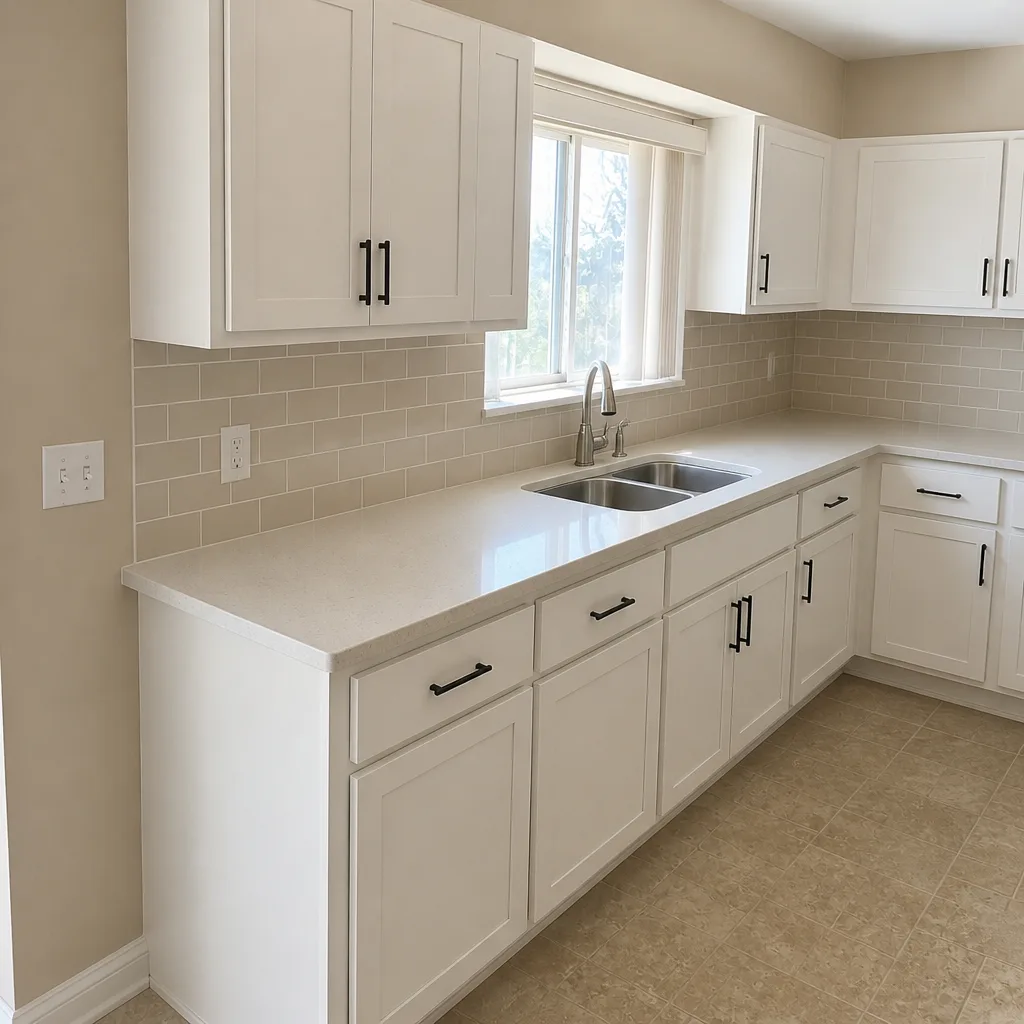
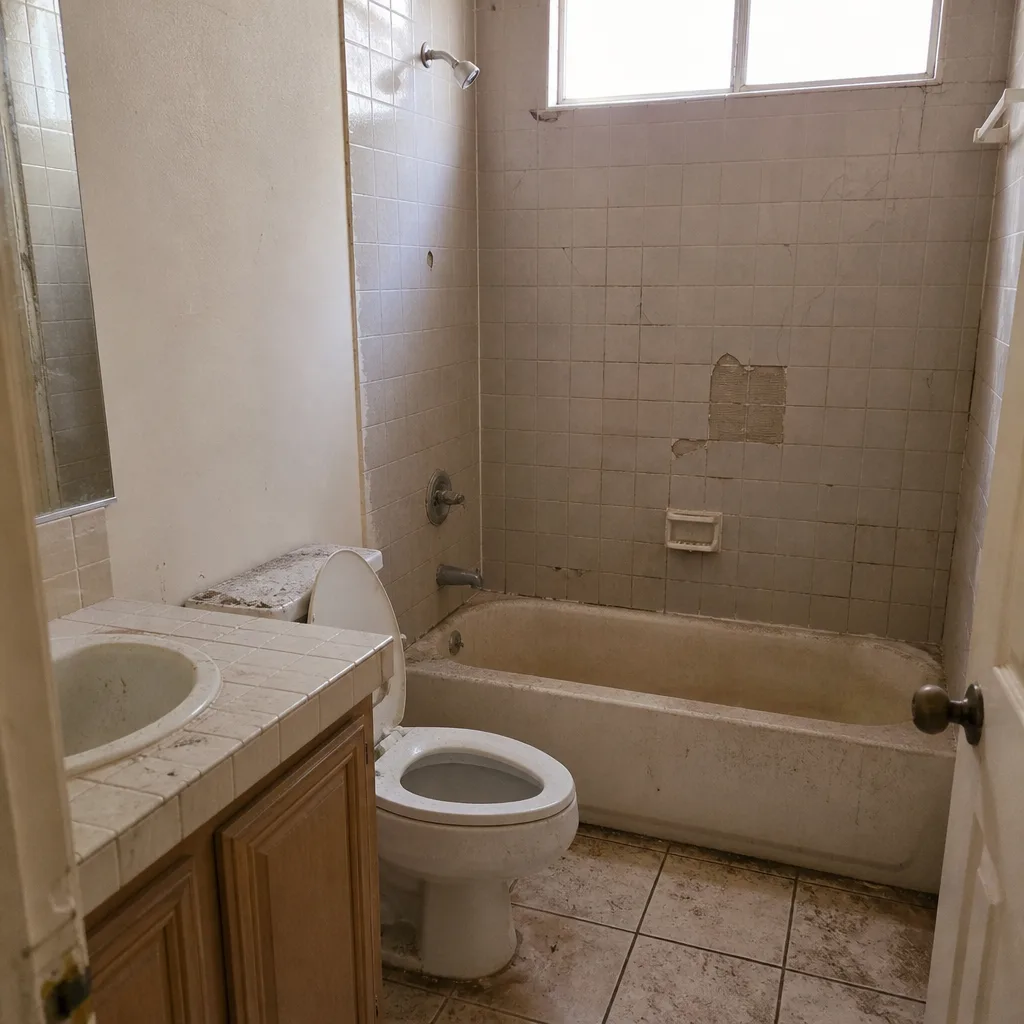
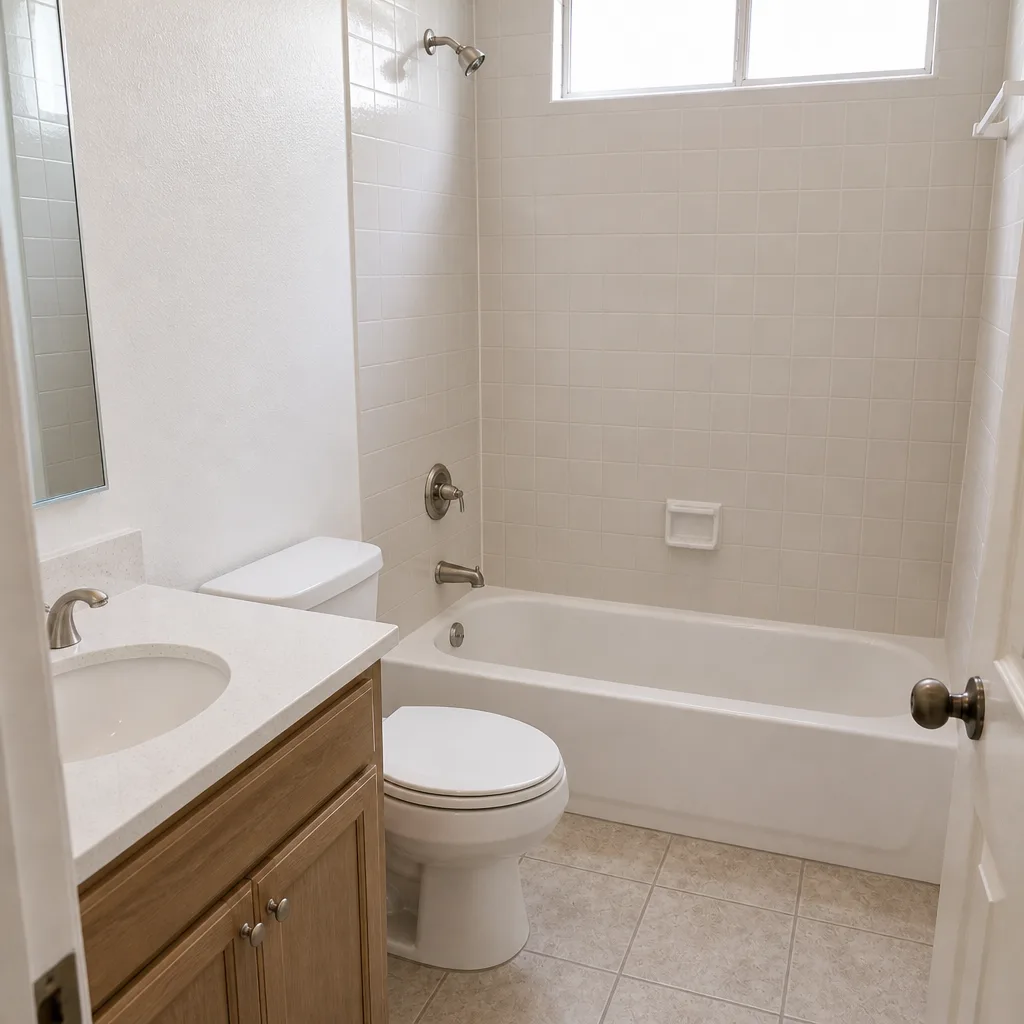
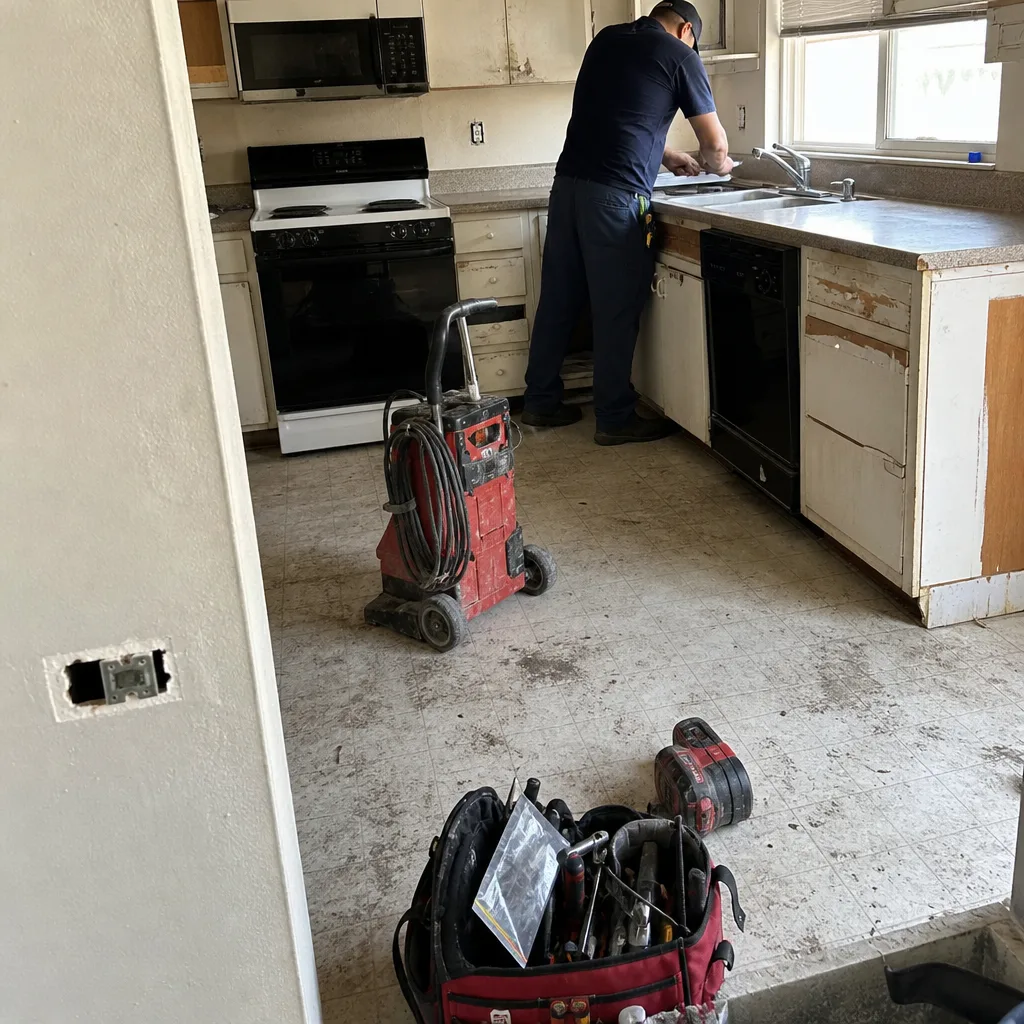
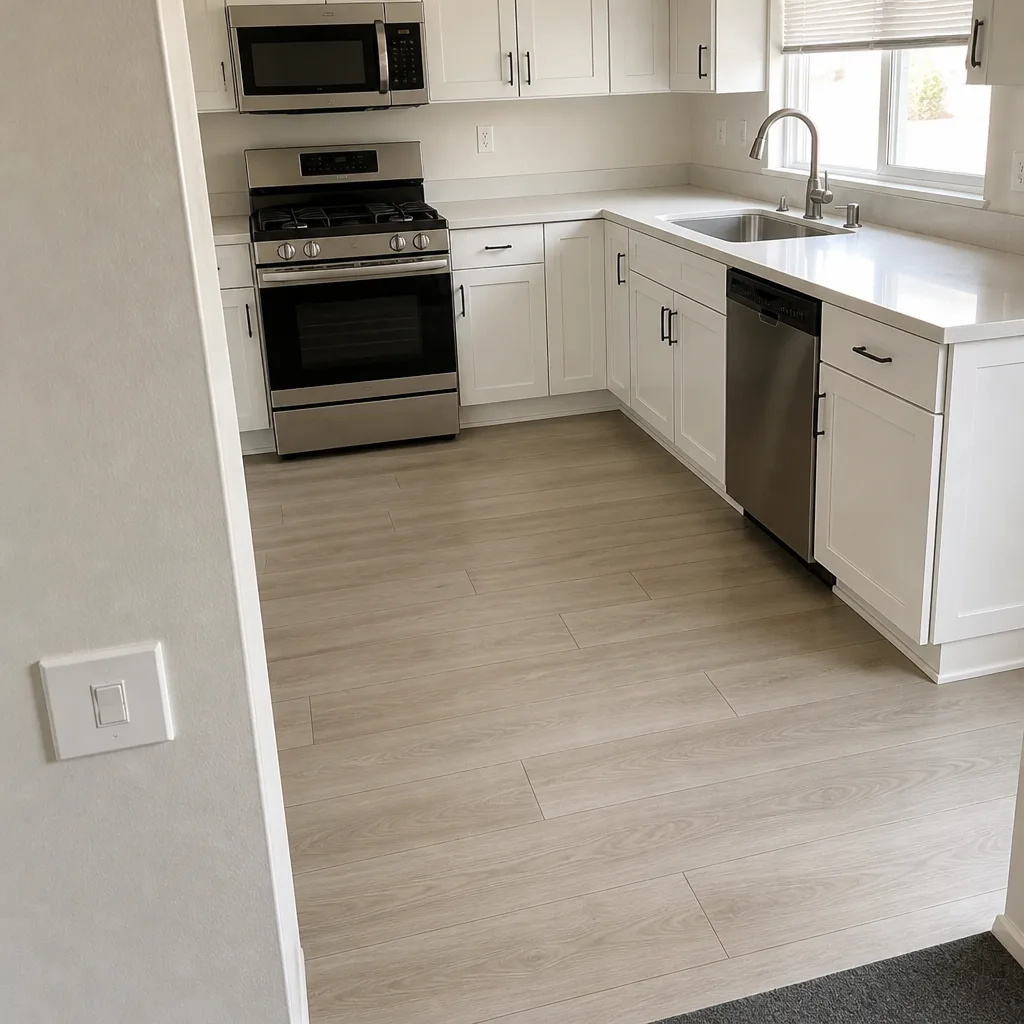
See the difference
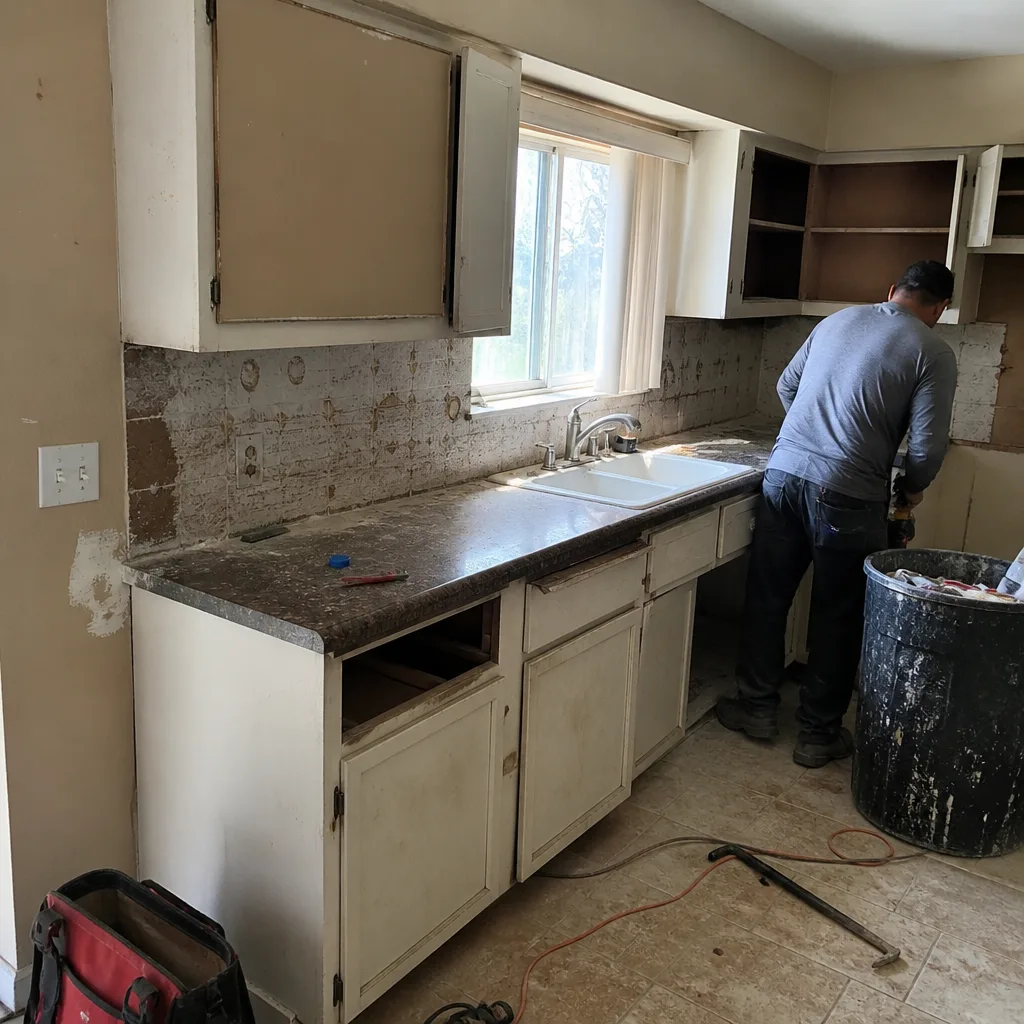 Before
 After
 Before
 After
 Before
 After
When to Call a Professional
There are clear moments in a brand-selection decision where a professional contractor is the right consultant, and the homeowner is the wrong one. Cross-shopping paver brands in a big-box aisle, for example, will not tell you what base material your 1970s-era Summerlin slab needs or how to match a permeable paver system to existing site grading. Roofing material selection where the roof system warranty, attic ventilation, and monsoon wind ratings all need to align is another; the spec sheet alone doesn’t tell you which line fits the house. Cabinetry and countertop selection where you want to see the actual door samples and slab colors, not just the marketing photo, means going to a showroom with real material on the floor. Plumbing fixture selection where the finish, cartridge, and rough-in valve all need to match the existing plumbing means talking to someone who has installed all three tiers and can tell you which one is worth the difference in your daily-use case. Our technicians have up to 14 years of experience with these decisions; Construction Summerlin offers free estimates in Summerlin – call (844) 797-3059. We answer 24/7. Fast dispatch from 7am to 7pm, Sunday through Friday.
Frequently Asked Questions
The best brands are the ones whose specific product line is specified by model number in your bid and suited to the desert: Cambria, Silestone, or Caesarstone quartz for daily-use kitchens; KraftMaid or Wellborn mid-to-premium cabinetry; GAF, CertainTeed, or Owens Corning architectural shingles with a proper ventilated system; Belgard, Unilock, or Tremron pavers over a correctly compacted base; and Kohler, Grohe, or Toto mid-tier fixtures in daily-use bathrooms. None of those earn their price without an installation that follows the spec. Call (844) 797-3059 for an exact quote on your project – estimates are free.
You know if the written bid names the product line and model number, not just the brand name. Ask for the manufacturer specification sheet for every major material, and then ask for the purchase order from the distributor before delivery day. Compare them. If the bid is vague on which line is being installed, that’s the substitution risk. Call (844) 797-3059 and we’ll walk you through the process, project by project.
Some do, and some don’t. Premium tiers genuinely outperform in UV-rated quartz near direct sun, PVD-finished plumbing fixtures, and architectural shingles with a properly ventilated system. Premium lines that are priced for aesthetics (hand-scraped cabinet finishes, specialty stone edges) hold up identically to mid-tier alternatives once the desert sun has had a few summers to work on them. The honest rule: match the premium tier to the use case, not the showroom photo.
No, not on a well-written contract. The price is set by the written line-item estimate before work begins, and changes only through a signed change order – which is exactly why substitution policies matter. A contractor who swaps a specified material for a different line without a change order is changing your project without your consent. Ask about the substitution policy before you sign. Call (844) 797-3059 to get a written quote with named product lines and model numbers.
Yes, and the installation spec matters as much as the material. Premium quartz requires a properly built substrate and edge support; permeable pavers require an open-graded base and correct grading; premium asphalt shingles require the manufacturer’s own starter, ridge, and ventilation components to keep the warranty valid. A specification sheet tells you what the manufacturer requires; your contractor should be able to explain how they meet it before you sign. Call (844) 797-3059 to talk through the installation approach for your material.
The brand tier moves the material cost meaningfully, but the biggest swing in any Summerlin project is scope and installation, not the logo on the cabinet. Builder-grade materials in a full kitchen remodel can cost less than premium materials in a half-bath project; the line you pick shifts the material portion of the budget, but the labor and site work are what move the total. The written estimate sets the final price, per job. Call (844) 797-3059 for a free estimate on your project.
The Bottom Line
Brand name is the marketing; product line is the product. If you take one thing from this guide, take that. For a Summerlin project, the four-step process is: get the spec sheet, not the brochure; make the bid name the line and model number; verify the purchase order before delivery; and match the premium tier to the actual use case, not the showroom photo. Between the tier knowledge, the climate knowledge, and the verification process, you’re equipped to make brand decisions on evidence instead of marketing. That’s the whole point. The best construction brands for Summerlin are the ones that earn their price in your house, installed to specification under a contract that names exactly what you bought.
If you’d rather have the conversation with a contractor who knows the spec sheets and the desert, call Construction Summerlin at (844) 797-3059 for a free estimate. We answer 24/7. Fast dispatch from 7am to 7pm, Sunday through Friday.
Written by the team at Construction Summerlin.