
Last updated November 17, 2026
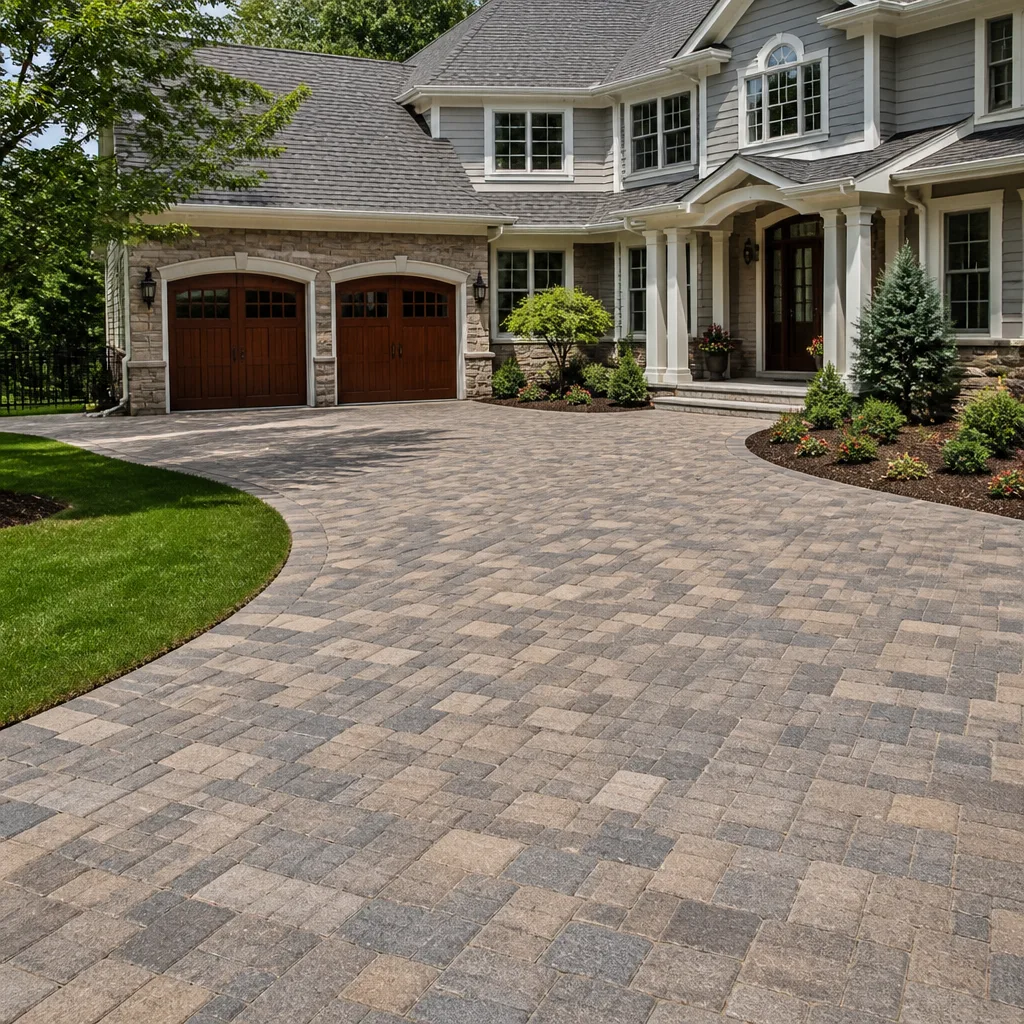 Driveway & pavers
 Kitchen remodeling
 Bathroom remodeling
 Home additions & ADU
 Roofing
 Windows & doors
 Fence
Free written scope consultation - allowances, timeline, and change-order rules on paper before a single trade is scheduled
The Complete Driveway & Pavers Guide for Summerlin Homeowners
Most driveway paver failures in the Las Vegas Valley have nothing to do with the pavers themselves. They fail because the base was built to Arizona or California specs, not to Summerlin’s specific caliche and thermal expansion reality. A paver can be beautiful, dense, and expensive, and still heave, shift, and crack within a few summers if the ground beneath it wasn’t prepared for what this valley actually does. This guide gives Summerlin homeowners the spec-level detail their contractor should already know: real excavation depths, paver density ratings that matter in desert UV, joint sand that survives monsoon season, and the HOA rules that govern the look of your front yard before a single stone goes down.
Quick Answer
Driveway pavers in Summerlin need a base excavated 2 to 4 inches deeper than national installation guides recommend, because the caliche layer here doesn’t drain like ordinary soil. High-density concrete pavers, polymeric joint sand rated for extreme heat, and proper HOA color approval are the three non-negotiables. Get those right and a paver driveway can last decades in the desert. Skip any one of them and you’ll be repairing it within a few years.
Styles & brands we work with
- Kitchen remodeling
- Bathroom remodeling
- Home additions & ADU
- Roofing
- Windows & doors
- Driveway & pavers
- Fence
Table of Contents
- Why Caliche Changes Everything About Paver Installation in Summerlin
- The Spec Sheet: Base Depth, Paver Density, and Joint Sand
- Paver Brands and Materials That Hold Up in Desert Heat
- Monsoon Season and Joint Sand: What Locks and What Washes Out
- HOA Compliance: Color, Setbacks, and Approval Before You Dig
- How to Compare Paver Bids Apples-to-Apples
- Step-by-Step: How a Proper Summerlin Paver Driveway Comes Together
- Maintenance That Actually Matters in the Desert
Why Caliche Changes Everything About Paver Installation in Summerlin
Caliche is a calcium carbonate layer that forms just below the surface in desert soil, and in much of Summerlin it sits closer to the top than builders from wetter climates expect. It’s hard, it doesn’t percolate water, and it traps moisture against whatever sits above it. When a paver base is built directly on top of caliche without breaking through or removing it, water from sprinklers, a hose, or a single monsoon storm has nowhere to go. It sits, it softens the base, and the pavers above begin to rock.
The national installation guides most contractors work from assume soil that drains. That’s a reasonable assumption almost anywhere else. It’s a dangerous assumption here. In our experience across Summerlin driveways, the installations that fail early almost always share one trait: a base built to a one-size-fits-all spec that never accounted for caliche.
Here’s what the difference looks like in practical terms:
- Excavation depth: Plan on 2 to 4 inches deeper than a standard guide would tell you, which means more material removed and more base aggregate brought in.
- Compaction: Caliche edges need to be broken and the subgrade re-compacted in lifts, not dumped and tamped once.
- Drainage: The finished grade has to shed water away from the house and out of the driveway, not into a low spot against the garage slab.
- Edge restraint: A properly pinned edge is what keeps a driveway on caliche from spreading at the sides over time.
None of this is exotic. It’s just the local reality that a contractor who works in Summerlin regularly builds into every bid and a contractor from out of the valley may not. If you’re planning a driveway as part of a larger exterior project, it’s worth reading our guide to driveway & pavers before you start collecting bids, so you know what questions to ask.
The Spec Sheet: Base Depth, Paver Density, and Joint Sand
If you want to compare bids fairly, you need to know the three numbers that separate a paver driveway built for Summerlin from one built for somewhere else. Ask every contractor to write these into the quote.
Base Depth
A paver driveway is only as good as the base under it. National guides often call for 4 to 6 inches of compacted aggregate base for a residential driveway. In Summerlin, that number should be higher because of the caliche and the thermal movement of the ground. Ask what depth of compacted base the contractor is planning and whether the quote accounts for breaking and removing caliche where it’s encountered. A bid that doesn’t mention caliche at all is a bid that hasn’t looked at your ground.
Paver Density
Concrete pavers are rated by compressive strength, often expressed in CM units (compressive strength in megapascals or the manufacturer’s comparable metric). Higher-density pavers resist the combination of intense UV and heat cycling that breaks down lower-density product over time. In this climate, low-density pavers can fade, chalk, and lose surface integrity within about five years. Belgard and similarly rated concrete paver lines are specified for high compressive strength because they’re engineered for exactly this kind of exposure. Ask for the density or compressive strength rating in writing, and don’t accept “they’re good quality” as an answer.
Joint Sand
Standard jointing sand is a false economy in the desert. It washes out in the first heavy rain and blows out in the wind. Polymeric sand, which sets up when activated, is the right choice here, but not all polymeric sand handles extreme heat equally. Ask which product is specified and confirm it’s rated for the temperatures this valley reaches in July. That one question will tell you whether your contractor is planning for Summerlin or just planning for a driveway anywhere.
Paver Brands and Materials That Hold Up in Desert Heat
The paver you choose is a decision about how your driveway will look and perform for the next twenty years, and it should be driven by your budget and your taste, not by whatever a single supplier happens to stock. Summerlin has strong HOA design standards, which means the right paver is the one that meets both the community’s palette rules and the physical demands of this climate.
We work with seven paver and hardscape manufacturers, which lets a homeowner see real options across concrete, natural stone, and engineered product before committing:
- Belgard – durable concrete pavers with a broad color and texture range that reads well against stucco and tile roofs.
- Unilock – engineered pavers with strong density ratings and a modern palette.
- Techo-Bloc – textured, contemporary finishes that suit newer Summerlin builds.
- Tremron – a reliable concrete line for large driveways where cost per square foot matters.
- Cambridge – traditional shapes and colors for a more classic look.
- Oldcastle – solid standard concrete pavers across a wide range.
- Quikrete/Sakrete – the bedding and jointing products that hold the whole assembly together.
You choose the material, we handle the craft. That principle matters here because a driveway is the first thing anyone sees when they pull up to your home, and the paver that suits your house and your HOA is not always the one on the back of a supplier’s truck. If your project is bigger than a driveway and includes walls, patios, or a new entry, our broader Construction Summerlin work covers the full exterior scope under one contract, which means the driveway, the walls, and the entry all get planned together instead of stitched together after the fact.
Monsoon Season and Joint Sand: What Locks and What Washes Out
Summerlin doesn’t get much rain, but when it rains it rains hard and fast. That’s the whole problem with joint sand. A driveway that looks perfect in June can have open joints by August if the wrong sand was used, and open joints are where weeds, ants, and erosion start.
Standard jointing sand, the kind you can buy in a bag and sweep in yourself, is essentially loose aggregate. It fills a gap until water moves it. In a monsoon downpour, water hitting a driveway with loose sand jointing finds those gaps and lifts the sand out. Repeat that a few times and the joints open up, the paver edges chip, and the base starts taking water.
Polymeric sand works differently. It’s a mix of sand and a binding agent that gets activated with water and sets into a flexible, water-resistant joint. In extreme heat, though, the binder can degrade if it’s the wrong formulation. What you want is a polymeric sand specifically rated for high-temperature climates, applied at the right depth and activated correctly. Too little water during activation and it stays powdery. Too much and it washes out before it sets. The application matters as much as the product.
This is the single most common place we see cut corners on Summerlin driveways. The pavers are fine, the base is fine, and then a cheap or poorly applied joint sand undoes the whole job in two seasons. Polymeric sand is not an upgrade. In this climate, it’s part of the spec.
HOA Compliance: Color, Setbacks, and Approval Before You Dig
Summerlin is a master-planned community, which means most driveways are subject to HOA architectural review before work begins. This is not a formality. The wrong color paver or an unapproved change to your driveway footprint can mean tearing out fresh work, and that’s a cost no homeowner should have to absorb.
Across the major Summerlin villages, HOA architectural guidelines typically address the following, though every association’s rules vary, so always get the current version in writing from your own board:
- Color palette: Many villages restrict driveway and hardscape colors to tones that harmonize with the community’s stucco and tile roof architecture, usually warm earth tones, tans, and muted reds.
- Material type: Some associations specify approved paver materials or restrict certain finishes.
- Setbacks and footprint: Widening a driveway, adding a turnaround, or changing the apron where the driveway meets the street may require review.
- Submission process: Most require a plan submission with color samples before work starts, and approval can take time.
- Consistency with neighbors: Some villages ask that visible hardscape relate to nearby homes rather than stand out sharply.
The practical move is to pull your association’s design guidelines before you pick a paver, not after. A good contractor will ask you for them. Bring color samples to your HOA and get written approval before the materials are ordered. It sounds like paperwork, and it is, but it’s the cheapest insurance on the whole project.
How to Compare Paver Bids Apples-to-Apples
The single biggest reason homeowners feel unsure about a paver bid is that most bids aren’t written to be compared. One lists a price and a paver name; another lists a breakdown. To compare fairly, insist that every bid cover the same scope in the same terms. Here’s the checklist we’d want a homeowner to use:
- Excavation depth and caliche handling: How deep will they dig, and what’s the plan and cost if they hit caliche?
- Base material and compaction: What aggregate, what depth after compaction, and how is compaction specified?
- Paver brand, line, and density rating: Named product, not “concrete pavers.”
- Bedding sand: Which product, and how thick?
- Joint sand: Polymeric brand and heat rating.
- Edge restraint: What type, and is it pinned?
- Drainage plan: Where does water go, and is the grade set to shed it away from the house?
- HOA submission support: Will they provide samples and plans for your board?
- Disposal and permits: Who hauls away debris, and are any permits the contractor’s responsibility?
- Workmanship warranty: In writing, and what it covers.
If two bids differ by a wide margin, this list almost always explains why. The lower bid usually has less base, less excavation, or cheaper joint sand. That’s not a deal, it’s a deferred cost. A written line-item quote is the way to see the difference clearly.
Step-by-Step: How a Proper Summerlin Paver Driveway Comes Together
A paver driveway is built in a sequence, and every step depends on the one before it. Here’s the process a properly scoped installation follows, so you know what you’re watching for on install day.
- Site assessment and HOA review. Confirm the footprint, check the association guidelines, and get approval before ordering material.
- Layout and excavation. Mark the boundaries, then excavate to the local depth that accounts for caliche, removing and disposing of broken caliche as needed.
- Subgrade preparation. Shape and compact the exposed subgrade, and address any soft or trapped-water areas.
- Base installation in lifts. Place the aggregate base in layers and compact each lift to the specified depth. This is where a driveway is won or lost.
- Setting bed. Screed the bedding sand to a consistent thickness for a flat, even surface.
- Paver installation and cuts. Lay the pattern, cut edges cleanly, and set them tight against the edge restraint.
- Edge restraint and compaction. Pin the restraint, then compact the pavers to seat them into the bedding.
- Polymeric sand. Sweep the joint sand in, activate it correctly, and let it cure.
- Cleanup and final grade check. Confirm drainage sheds away from the house and the site is clean.
If your larger plan includes a side-yard structure, a casita, or a separate living space, the driveway and the foundation work need to be sequenced together rather than done months apart. That’s where our home additions & ADU work fits alongside the hardscape, so one plan governs the whole site.
Maintenance That Actually Matters in the Desert
A paver driveway in Summerlin is low maintenance, but not no maintenance, and the small habits matter more than most homeowners expect.
- Re-sand joints when they open. If polymeric sand wears or cracks, top it up with the same product before water gets underneath.
- Keep water moving off the surface. Adjust sprinklers so they don’t overspray onto the driveway, and check that the grade still sheds water after any landscape changes.
- Clean with a hose, not a pressure washer at full power. High pressure can blast joint sand out and erode the surface.
- Check for settled or rocking pavers after heavy rain. A single rocking paver left alone will loosen its neighbors.
- Watch the edges. If restraint starts to shift, address it early; it’s a small fix before it’s a big one.
- Keep weeds out of joints. Pull them when they appear; a healthy, full joint is your best defense.
None of this is complicated. The trick is doing it when you notice it, not a season later. A driveway built right and maintained simply will look good for a very long time.
Common Mistakes to Avoid
- Building to a national spec, not a Summerlin one. A base depth that works in wetter climates fails over caliche. Insist on a contractor who names the local excavation depth.
- Skipping the density rating. Choosing a paver on color alone, without asking for compressive strength, invites fading and surface breakdown within a few years under desert UV.
- Using standard joint sand. Loose sand washes out in monsoon season and leaves your joints open. Polymeric sand rated for heat is the spec, not the upgrade.
- Ignoring the HOA until after installation. The wrong color or an unapproved footprint can mean tearing out new work. Get written approval and samples first.
- Ignoring drainage before you pave. If the finished grade sends water toward the garage or a low corner, no paver in the world will save you.
- Comparing a single number instead of a scope. A bid without line items invites an apples-to-oranges comparison where the cheapest bid hides the most risk.
- Choosing pavers from a single supplier’s stocked options. When your only choices are what a supplier carries, your HOA palette and your taste both lose. See multiple manufacturers before you commit.
See the difference
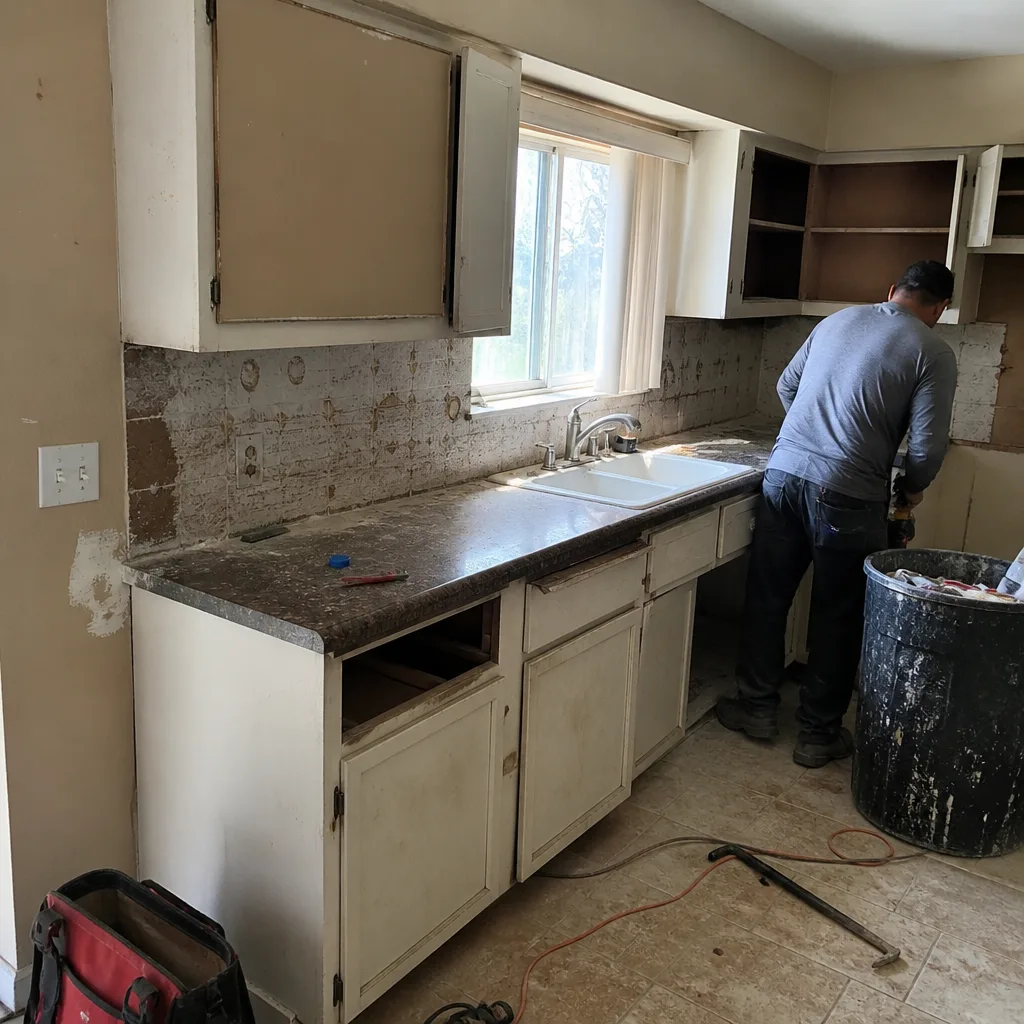 Before
 After
 Before
 After
 Before
 After
When to Call a Professional
Some paver repairs are small and can wait. Others aren’t. Call a professional when you see widespread settling, a driveway that holds water or sheds it toward the house, open or eroded joints across more than a small area, cracked or rocking pavers in a growing patch, or an edge that has begun to spread. Any of these suggests the base or the jointing has failed under the surface, and re-laying pavers over a bad base just postpones the real cost. You should also call a professional before any new installation, because the caliche, compaction, HOA, and drainage decisions all happen before the first paver goes down. That’s the moment the job is either done right or done cheap. Construction Summerlin offers free estimates in Summerlin, with a written line-item quote that spells out base depth, paver density, joint sand, and drainage so nothing is left to guesswork. Call (844) 797-3059 to schedule yours.
Frequently Asked Questions
Paver driveway work is priced per job by a written estimate, because the scope depends on your square footage, the caliche you encounter, the paver line you choose, and whether the footprint changes for your HOA. That’s why an honest installer won’t quote a number over the phone. What we can tell you is that the range you hear online is almost always built on a national base spec, and a Summerlin installation with deeper excavation and high-density pavers is a different job. Call (844) 797-3059 for a free estimate with a written line-item quote. Estimates are free, and the written quote sets the final price.
Plan on excavating 2 to 4 inches deeper than national installation guides recommend, because the caliche layer here doesn’t drain like ordinary soil and traps moisture against the base. That extra depth lets you place and compact enough aggregate to protect the pavers above. A bid that doesn’t mention caliche handling is a bid that hasn’t planned for your ground. Ask any contractor what depth they’re planning and how they’ll handle caliche, in writing.
Polymeric sand that’s rated for extreme heat, applied at the right depth and activated correctly. Standard jointing sand washes out in monsoon season and leaves joints open to water, weeds, and ants. Polymeric sand binds into a flexible, water-resistant joint that holds up far better in this climate, but only if it’s the right formulation and applied properly. In Summerlin, polymeric sand is part of the spec, not an optional upgrade.
In most Summerlin villages, yes. Master-planned community associations typically control driveway color palette, material type, setbacks, and sometimes the footprint itself. Get your association’s current design guidelines in writing, submit samples, and secure approval before any materials are ordered. Tearing out fresh pavers because the color wasn’t approved is a cost no homeowner should carry, and it’s entirely avoidable.
A well-written estimate should not change unless the scope changes, and the most common scope change on a Southwest paver job is encountering caliche that wasn’t visible in the initial assessment. The best protection is a line-item quote that names how caliche is handled and what it costs if it’s found. Fixed pricing with no surprise change orders is what you should ask for. Call (844) 797-3059 to talk through your job and get a written estimate.
Timeline depends on square footage, how much caliche has to come out, the pattern, and HOA approval timing. A straightforward driveway moves through excavation, base, compaction, setting, layout, and joint sand in sequence, and each step has to finish before the next begins. Base compaction in lifts is the step that takes the most time and is the one you never want rushed. Call (844) 797-3059 for a schedule based on your specific driveway.
The Bottom Line
Summerlin paver driveways fail for one reason more than any other: a base built to a generic spec that never accounted for caliche and thermal movement. The fixes are not exotic. Excavate 2 to 4 inches deeper than the national guides say, specify high-density concrete pavers from a manufacturer like Belgard, use polymeric joint sand rated for extreme heat, and clear your HOA palette before you order materials. Compare bids on scope, not on a single number. Get it right at the base and the driveway will look good for decades. Get it wrong and you’ll be repairing it within a few years. Either way, the material decision is yours, the craft is ours, and the written estimate sets the final price.
Get a Free Estimate on Your Summerlin Driveway
If you’re weighing a new paver driveway or fixing one that’s already shifting, the first step is a written, line-item estimate that spells out excavation depth, base compaction, paver density, joint sand, and drainage. Our team brings one contractor, every phase, from the driveway to the roofline, so the hardscape, the fencing, and the rest of your exterior plan get handled together instead of by separate trades. Our technicians have up to 14 years of experience, and every project starts with a free estimate. Call (844) 797-3059. We answer 24/7. Fast dispatch from 7am to 7pm, Sunday through Friday, and we’re closed on Saturday. You can also explore our fence installation work if you’re planning a full exterior refresh around the new driveway.
Written by the team at Construction Summerlin.