
Last updated November 17, 2026
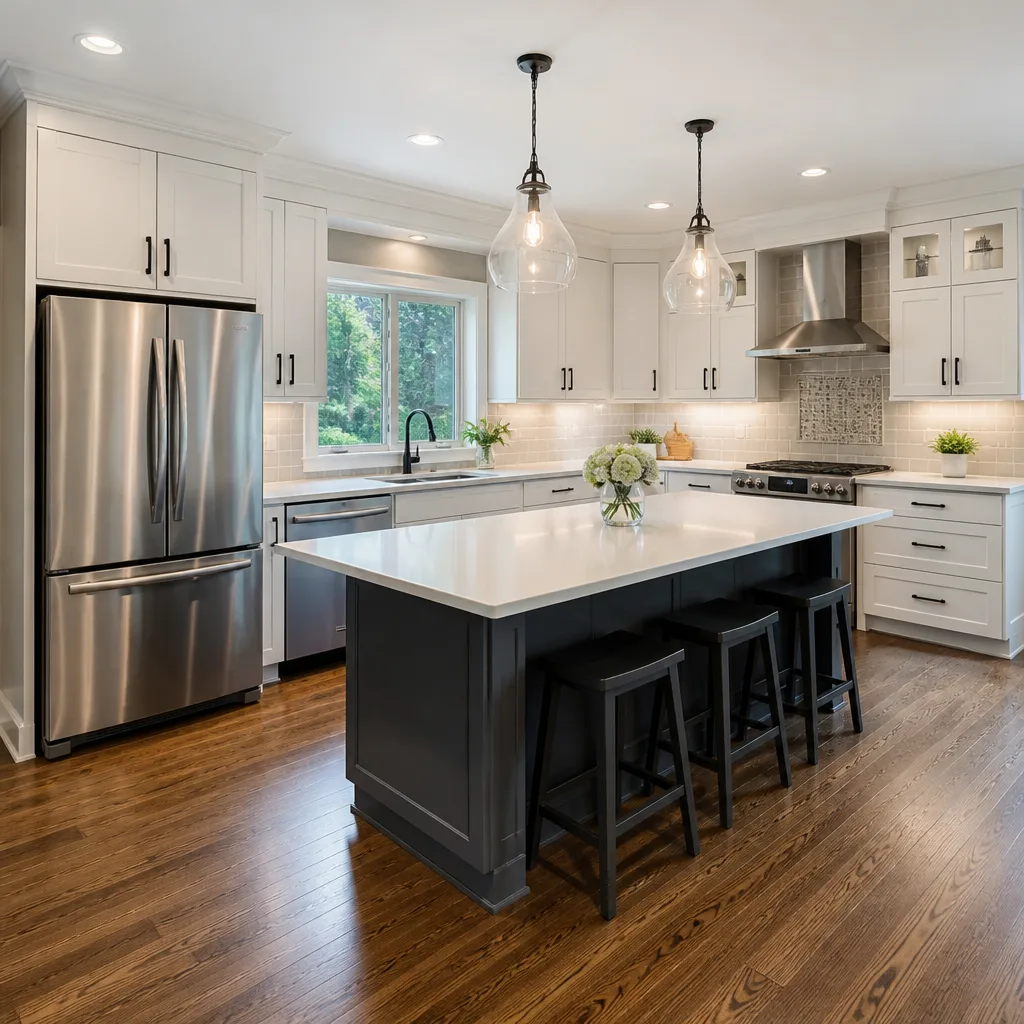 Kitchen remodeling
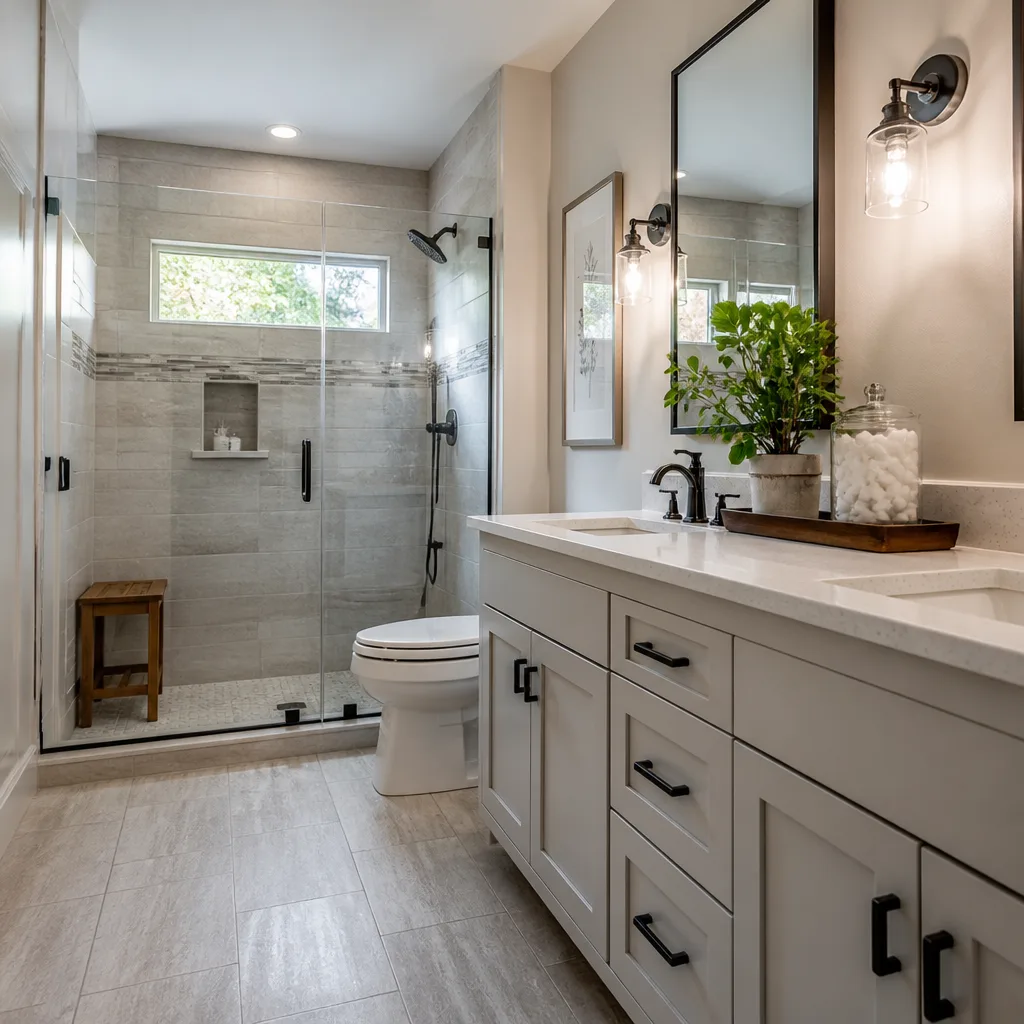 Bathroom remodeling
 Home additions & ADU
 Roofing
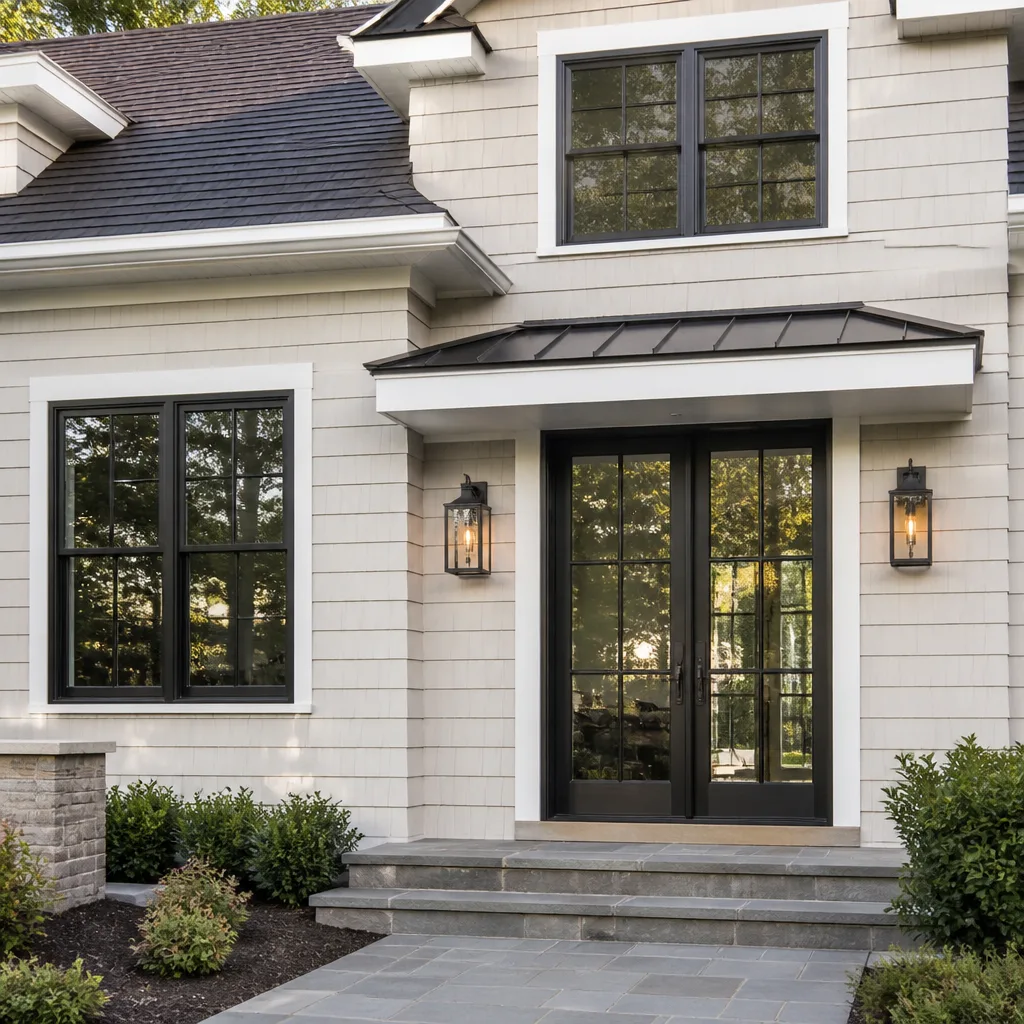 Windows & doors
 Driveway & pavers
 Fence
Free written scope consultation - allowances, timeline, and change-order rules on paper before a single trade is scheduled
How to Hire a Construction Contractor in Summerlin: A Step-by-Step Guide
Most hiring guides tell you to get three bids and pick the middle one. In Summerlin, that advice falls apart fast. The cheapest bid on a Summerlin kitchen remodel often comes from a contractor who has never pulled a Clark County residential permit, and when the county flags the work, you, the homeowner, are the one holding the stop-work order. This guide is about hiring someone who knows the local bureaucracy as well as they know their tools: license classification, HOA architectural review, permit sequencing, and contract language that protects you instead of them.
Quick Answer
Hiring a contractor in Summerlin means verifying a Nevada State Contractors Board license and confirming its classification matches your scope, checking that the contractor has actual experience with your village’s HOA architectural review process, and insisting on a written scope with material specifications and lien waiver language before anyone swings a hammer. Price matters, but in a master-planned community, the wrong contractor costs more than the right one.
Styles & brands we work with
- Kitchen remodeling
- Bathroom remodeling
- Home additions & ADU
- Roofing
- Windows & doors
- Driveway & pavers
- Fence
Table of Contents
- Step 1: Verify the License and Its Classification
- Step 2: Ask the HOA Questions Nobody Else Asks
- Step 3: Build a Scope of Work the County Can Read
- Step 4: Read the Contract for Nevada-Specific Traps
- Step 5: Decide Whether You Need a Single-Source Contractor
- Step 6: Understand Permit Sequencing Before Demolition Day
- Step 7: Match Materials to the Desert, Not the Catalog
- Step 8: Price the Job, Then Price the Risk
Step 1: Verify the License and Its Classification
A Nevada State Contractors Board license is the floor, not the ceiling. The part most homeowners skip is the classification. A license that looks clean on a search screen can still be the wrong license for your project, and working outside a classification is a violation that can void your protections.
Nevada breaks residential work into license classifications. The general residential license is what you want for whole-house remodels, additions, and projects that cross multiple trades. Specialty classifications cover narrower scopes like roofing or fencing. If a contractor holds a specialty license but quotes you a full addition that includes structural, electrical, and finish work, ask who is actually pulling the permit and under which classification. If the answer gets fuzzy, walk.
What to check on the board’s lookup
- Confirm the license status is active, not suspended or expired.
- Confirm the classification matches your scope, not just the trade category.
- Look for any disciplinary history related to unlicensed work or abandoned jobs.
- Match the name on the license to the name on your contract and your bid.
A contractor who volunteers the license number before you ask is a good sign. One who changes the subject is not. Our technicians have up to 14 years of experience, and in our experience the license conversation is where a real professional relaxes and a pretender starts sweating. If the license lookup feels like a hurdle instead of a routine step, that’s information.
Step 2: Ask the HOA Questions Nobody Else Asks
“Have you worked in Summerlin?” is a useless question. Every contractor within 30 miles will say yes. The useful question is: which villages, and what submission format did you use?
Summerlin is a master-planned community made up of distinct villages, and each one runs architectural review through its own HOA or association with its own submission packets, design guidelines, and turnaround patterns. A contractor who has only ever submitted to one village will stumble the first time they hit a different one. The guidelines themselves run to dozens of pages in some associations, covering roof pitch, paint color, paver style, fence height, and the view corridors that shape what you’re allowed to build.
Questions that separate real experience from the version on a website
- “Which Summerlin villages have you submitted architectural packets to in the last year, and what did the submission include?”
- “Who compiles the packet: you, us, or a designer? Who pays for revisions if the committee sends it back?”
- “How do you handle a change order that triggers re-review mid-project, and does that cost us time or money?”
- “Do you adjust material choices to the association’s approved palettes before we fall in love with something they’ll reject?”
- “What happens to the schedule while we wait for approval?”
That last one matters more than homeowners expect. A contractor who builds the review timeline into the schedule from day one is working with you. One who treats approval as a formality will hand you a stalled job and blame the committee. If your project touches fencing or hardscape, ask specifically whether the association’s palette runs to their material. When we quote fence installation, the brand choice usually starts with what the village guidelines allow, not what the catalog prefers.
Step 3: Build a Scope of Work the County Can Read
In a master-planned community, the scope of work document does more work than the price sheet. Vague scope means change orders, and change orders mean re-review, which means the committee looks at your project again and the timeline restarts.
A real scope document reads like a spec, not a wish list. It names the material and the model. It says “Cambria quartz, specified color, 3cm, edge profile X” rather than “quartz countertops.” It says “GAF Timberline shingles, specified color, with underlayment and flashing replaced” rather than “new roof.” The difference matters when a county inspector or an HOA reviewer reads it, and it matters more when you’re standing in a half-finished kitchen arguing about what you paid for.
What every scope of work should contain
- Room-by-room, trade-by-trade line items with quantities where they’re knowable.
- Named materials and manufacturers, not categories. Cambria, KraftMaid, GAF, Kohler, Schluter underlayment systems, Grohe rough-in valves.
- What’s excluded, in writing. Demo haul-off, drywall repair behind tile, permit fees, appliance relocation.
- A completion milestone list with dates that reference calendar weeks, not “as weather permits.”
- The spec sheets themselves attached as appendices.
If your contractor won’t attach the spec sheets, ask why. Sometimes it’s laziness. Sometimes it’s because they intend to substitute something cheaper after the contract is signed. Either way, the fix is the same: attached specs, in writing, before the first payment.
Step 4: Read the Contract for Nevada-Specific Traps
The three traps we see most often in Nevada residential contracts are missing lien waiver language, missing material specification sheets, and completion milestones so vague they can’t be enforced.
Lien waivers matter because Nevada gives subcontractors and suppliers the right to place a lien on your property if they aren’t paid, even if you paid your general contractor in full. The mechanism that protects you is a conditional progress waiver from each sub and supplier with every draw. If your contract is silent on lien waivers, you’re the one holding the risk, not the contractor who skipped a payment.
A short contract checklist
- Lien waiver language tied to each payment draw, from every sub and supplier who touches the project.
- Material specification sheets attached as exhibits, with substitution rules spelled out.
- Completion milestones with calendar dates and a clear remedy if the contractor misses them.
- A change-order process in writing, including who signs and what triggers re-pricing.
- A clear scope for warranty: what’s covered, for how long, and who honors it.
- Payment schedule that front-loads nothing more than a reasonable deposit and holds final payment until final inspection.
A contract is a tool for keeping the job moving, not a battle plan for the aftermath. If your contractor’s contract reads like they expect to be sued, take that seriously.
Step 5: Decide Whether You Need a Single-Source Contractor
The coordination tax is real. When a project touches roofing, electrical, and structural work in one permit package, having three separate contractors means three schedules, three points of blame when something slips, and three sets of insurance certificates to chase.
In Summerlin, this matters more than most homeowners realize. A home addition doesn’t just need a framer. It needs someone sequencing permits, keeping the HOA file current, holding the inspection schedule, and making sure the roofing contractor and the window contractor agree on the flashing detail. When a house addition pulls a new roofline into an existing one, the seam between old and new is where leaks live, and nobody owns it unless one party owns the whole scope. When we quote home additions & ADU, the conversation starts with the sequencing of those details, not with a bid.
Signs the project has crossed a trade line and needs one accountable party
- The addition changes the roofline or the building envelope in any way.
- The project requires a new panel, a subpanel, or a service upgrade.
- You’re moving a load-bearing wall or adding a second story.
- The scope touches more than one permit type (structural, mechanical, plumbing, electrical).
- The HOA submission will change as construction reveals details.
If two or more of those are true, a single-source contractor saves money over the course of the job. The savings show up as fewer months of delay, fewer change orders, and one throat to choke if something goes wrong.
Step 6: Understand Permit Sequencing Before Demolition Day
Clark County cares about sequence. Structural permits, electrical permits, and plumbing permits don’t automatically sync up, and a foundation pour that’s scheduled before electrical rough-in is a pause you didn’t plan for.
The right operator sequences permits against the construction schedule: demo, then structural inspection, then rough-in, then insulation, then drywall, then finish inspections, then final. Every step has a county sign-off window, and if the contractor hasn’t accounted for it in the calendar, the job stalls until the inspector has availability again. Summer heat makes this worse because exterior work has to happen before the heat peak, and interior work has to happen while the air conditioning is still running.
What to ask before the permit is pulled
- “Which permits does this project need, and who’s pulling each one?”
- “What’s the inspection sequence, and which stages hold up the next trade?”
- “Have you built in buffer for inspection scheduling, or is the schedule built on best-case windows?”
- “What happens if the county flags a scope item mid-build?”
The answer you want is specific. If they can’t name the inspections in order, they haven’t run a project this scope before, or they’ve been lucky. In Summerlin, with the volumes of remodel work that move through Clark County, “lucky” is a scheduling strategy that runs out fast. Our technicians have up to 14 years of experience and the permit conversation is where that experience shows, not on the bid sheet.
Step 7: Match Materials to the Desert, Not the Catalog
Summerlin is high desert. That means UV exposure that strips paint and chalks sealant, monsoon-intensity rain a few weeks a year, and daily temperature swings that expand and contract every material on the exterior of your house. A product that works beautifully in a mild coastal climate can fail here in four seasons.
The materials hedge is not about brand loyalty. It’s about picking the right product line for the environment, then specifying it correctly. Roofing is the easy example: a GAF or CertainTeed shingle system engineered for high heat performs differently from a builder-grade line, and the underlayment and flashing matter as much as the shingle. On exterior trim, James Hardie fiber cement handles the sun-and-swing cycle better than wood, which is why we default to it unless a homeowner has a specific reason to go elsewhere. When we lay driveway & pavers, the paver band from Belgard, Unilock, or Techo-Bloc matters less than how the base is compacted and how the joint sand is specified for the local soil.
Materials questions to ask any bidder
- “Which product line specifically, and why that line for this climate?”
- “What’s the manufacturer warranty, and is the installer certified for it?”
- “What does the spec say about UV-stable finishes and thermal movement?”
- “Which suppliers carry this locally if we need a warranty replacement in four years?”
Brand selection is the homeowner’s call. You choose the material. We handle the craft. The contractor’s job is to explain which line lasts where you live, not to steer you to what’s easiest for them to order.
Step 8: Price the Job, Then Price the Risk
Price is not the last line item on the bid comparison. It’s the last line item after you’ve priced the risk: what happens if the schedule slips, if the HOA sends the packet back, if a sub walks, if the county flags the permit. The cheapest bid is often the one that pushes the most risk onto you.
When you compare bids in Summerlin, compare them against the same scope, the same specs, and the same schedule. If one bid is 20% lower for the same scope, the difference is almost always in what’s not written down. Ask what’s excluded. Ask which materials are being substituted. Ask when the payment schedule front-loads. Ask whether the price is fixed or subject to change orders after contract signing. Get the answers in writing.
How to compare bids without getting fooled by the number
- Line the bids up against the same scope document. Anything that doesn’t match is a red flag, not a cost saving.
- Confirm every named manufacturer and model survives the comparison. Substitutions are the most common hidden cost.
- Check the schedule for buffer. A 4-week job quoted as 4 weeks with no buffer will run long.
- Confirm the written estimate is fixed price, not an estimate that becomes a change order later.
- Read the payment schedule. Progress payments should track completed milestones, not start dates.
A written line-item quote from Construction Summerlin shows you each scope line, each material spec, and a fixed price with no change orders, so you can price the risk with your eyes open.
Common Mistakes to Avoid
- Hiring on price without comparing scope. A bid is only cheap if it covers the same work, the same materials, and the same schedule. Line them up before you decide.
- Not verifying the license classification. A general residential license for a full addition is fine. A specialty license quoting a full addition is a stop-work order waiting to happen.
- Treating HOA review as a formality. Packets that come back get re-reviewed, and re-review restarts the clock. Ask the village-and-format questions before signing.
- Skipping lien waiver language. If your contract doesn’t require waiver from each sub and supplier per draw, you’re the one guaranteeing their pay, not the contractor.
- Accepting a vague scope with vague milestones. “As soon as permits clear” isn’t a date. Insist on calendar weeks and a written remedy for slippage.
- Choosing a contractor who can’t name the inspections in order. Sequence is the job. If they can’t name it, they haven’t run one like yours before.
- Picking a product line off a catalog instead of off the wall. Desert heat, UV, and daily temperature swing wear materials differently here than anywhere else. Ask why each line was chosen.
See the difference
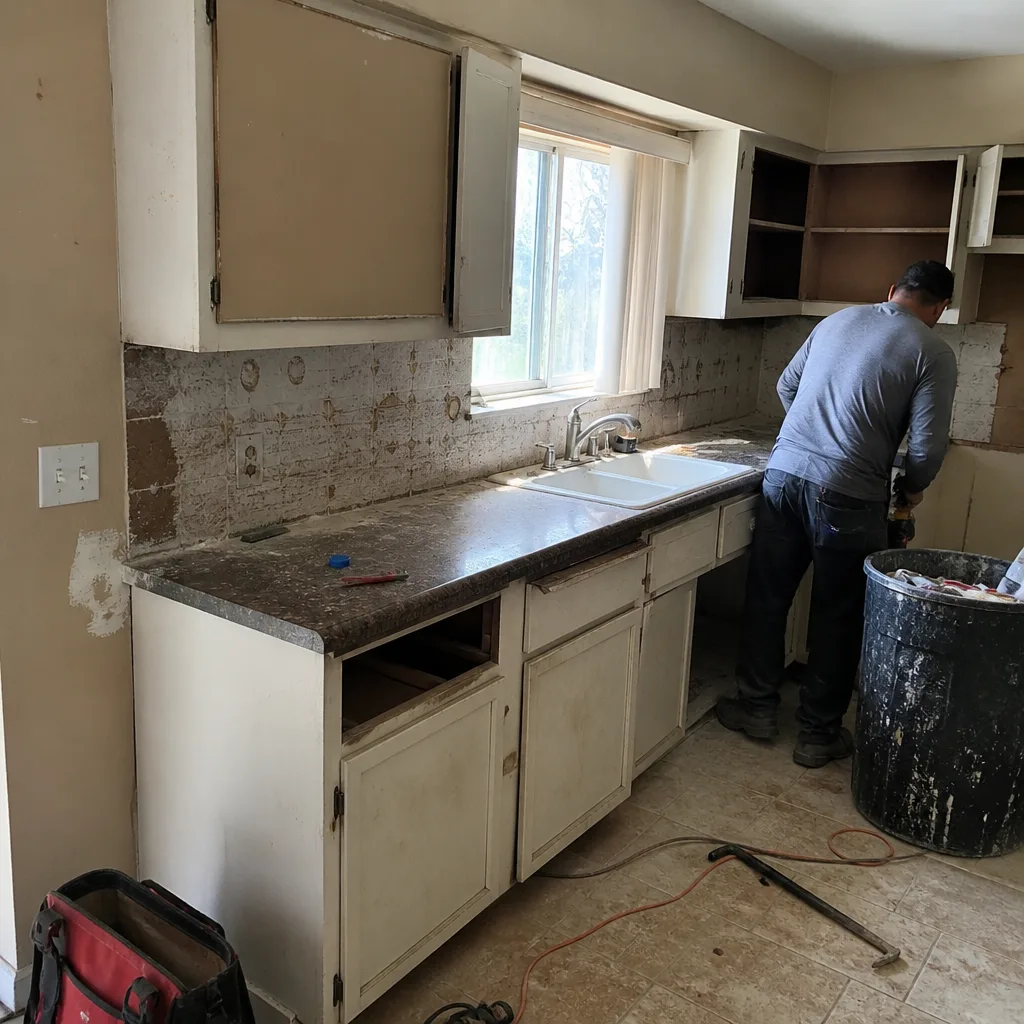 Before
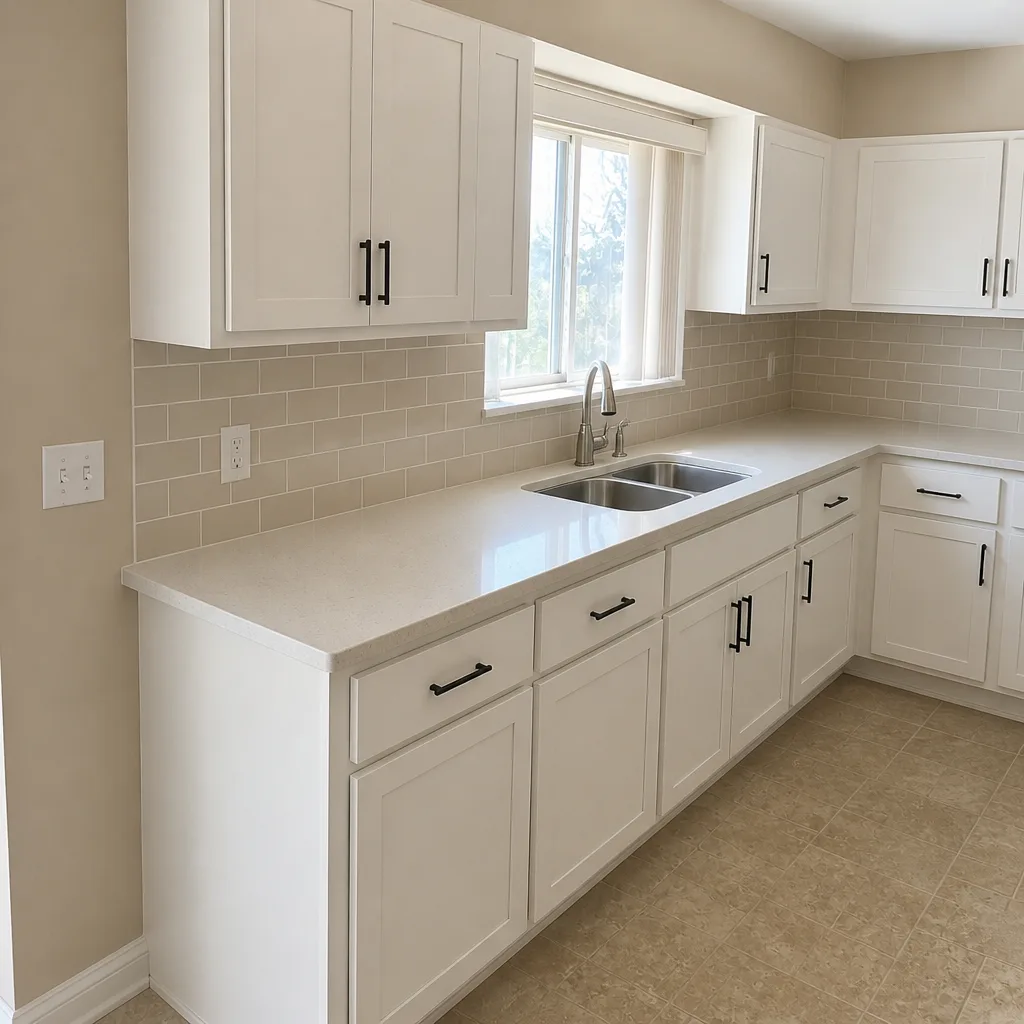 After
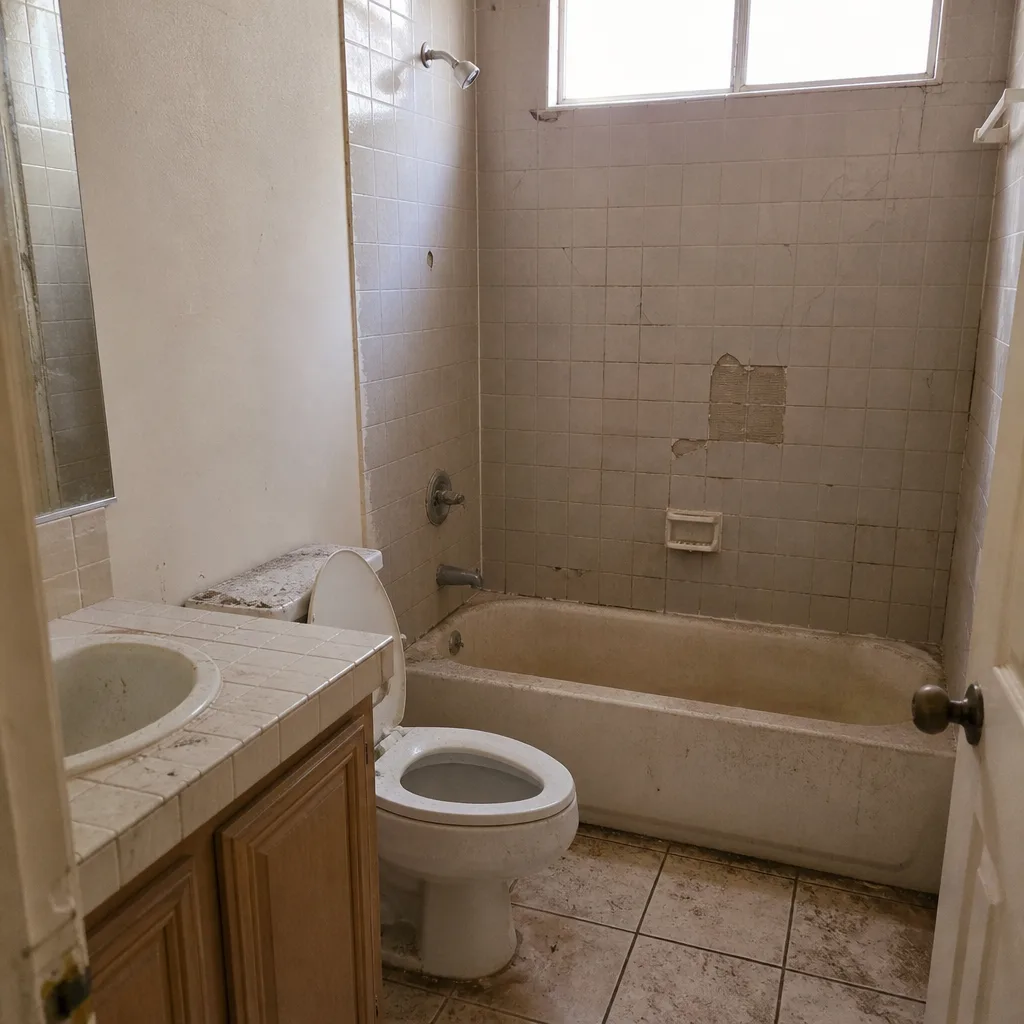 Before
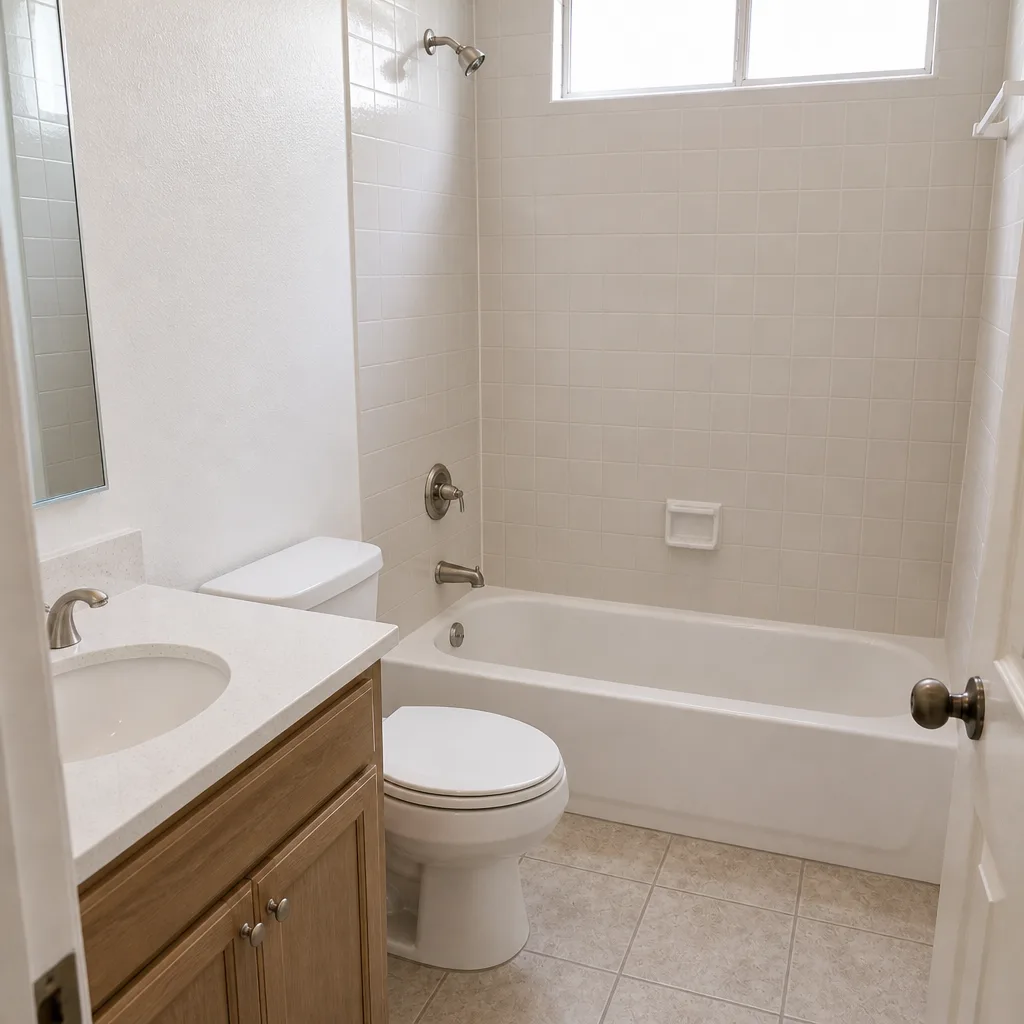 After
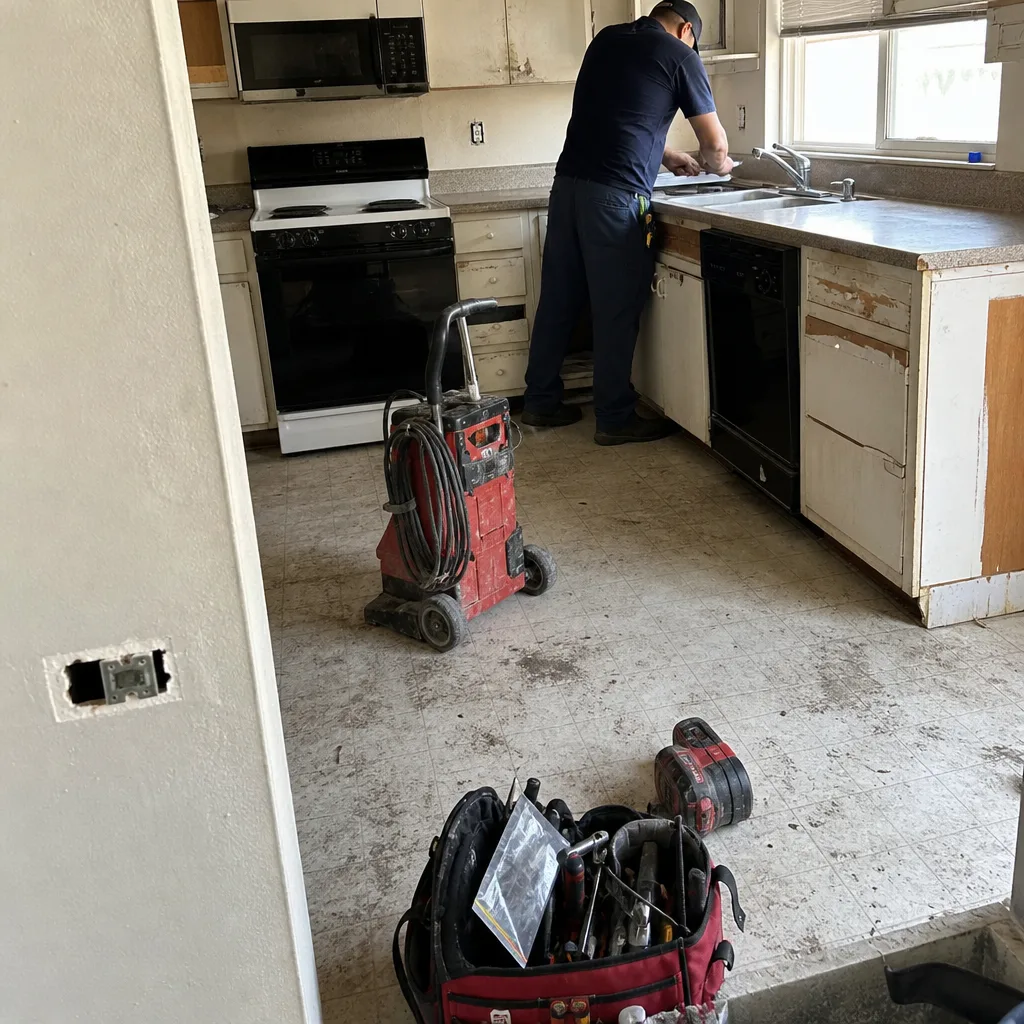 Before
 After
When to Call a Professional
Some work needs a licensed pro, no exceptions. If your project touches the electrical panel or service line, gas lines, structural framing, or the building envelope anywhere above the first few feet, a trained professional has to be on the job. Those aren’t scopes where a homeowner can safely substitute YouTube for experience. High-tension work, panel swaps, and load-bearing changes carry real risk of injury or structural failure and aren’t a place to save money. The same is true for anything that has to pass inspection, because an inspector’s red tag is worse than a slightly higher bid.
Larger remodels in Summerlin also make sense to hand to a professional even where a homeowner technically could do the work. Multi-trade projects, projects that need an HOA packet, and projects that touch a permit all get faster, cleaner, and better-defended against risk when one licensed contractor owns the whole sequence. Construction Summerlin offers free estimates in Summerlin. Call (844) 797-3059.
Frequently Asked Questions
Look up the contractor on the Nevada State Contractors Board’s license search, confirm the license is active, and confirm the classification matches your project rather than only your trade category. A specialty license does not authorize a full whole-house remodel or addition, so ask which classification will pull your permit. If the contractor can’t answer that cleanly, treat it as a red flag and move on to the next bid. Call (844) 797-3059 for an exact quote on your project. Estimates are free.
Yes, in nearly every Summerlin village, exterior change of any kind needs architectural review through your HOA or association before construction starts. Roof replacements, paint colors, fence styles, additions, and driveway material changes all typically fall under the guidelines. Ask your contractor which villages they’ve submitted to and what the submission packet includes. A contractor who treats the approval as a formality will stall your schedule. Call (844) 797-3059 to talk through the review timeline for your project.
A Nevada residential construction contract should include lien waiver language tied to each payment draw, material specification sheets as exhibits, and completion milestones with calendar dates and a remedy for slips. Also confirm a written change-order process, a documented warranty scope, and a payment schedule that tracks completed milestones rather than start dates. Anything missing from that list leaves risk on your side of the table. Call (844) 797-3059 for a written line-item estimate that sets the price before the work starts.
Summerlin remodels land in a wide range because material selection drives the number more than labor does, and a bespoke KraftMaid or Cambria kitchen costs more than a stock cabinet build with the same footprint. The right approach is to get a written line-item estimate tied to specific materials and specific scope, so the price you compare across bidders is the same scope across bidders. Call (844) 797-3059 for a free estimate and a fixed price written against your material picks.
Not on a properly written fixed-price contract, provided the scope and material specs are correct from day one. Prices change when scope changes, when materials are substituted, or when the scope document was vague enough for the contractor to fill in the blanks later. Read the substitution rules and the change-order process before you sign. Call (844) 797-3059 to get a fixed-price written estimate and skip the change-order dance.
Yes, and for most Summerlin projects that cross trade lines, one contractor is the better call. Roofing, window systems, and interior remodels share detailing at the envelope, and when three contractors own different pieces of that detail, no one owns the seam. A single-source contractor holds the whole sequence, one permit set, and one point of accountability if something needs fixing. Call (844) 797-3059 to talk through a whole-scope estimate for your project.
The Bottom Line
Hiring a Summerlin contractor is a vetting project, not a bid-shopping project. Verify the license classification matches your scope. Ask the HOA architectural review questions that reveal whether the contractor has actually submitted in your village, in your format. Insist on a scope document with named materials, attached spec sheets, and calendar-dated milestones. Read the contract for lien waiver language, material spec exhibits, and enforceable completion dates. And when your project crosses trade lines, hire one contractor who owns the whole envelope instead of three who each own a slice.
Price is the last thing you negotiate, after the scope, the materials, the schedule, and the risk are all on paper. A written line-item estimate against a real scope is the only way to compare bids honestly, and it’s the only way to know what you’re actually buying. If you’re ready to price your project with the details filled in first, call (844) 797-3059 for a free estimate. We answer 24/7. Fast dispatch from 7am to 7pm, Sunday through Friday.
Written by the team at Construction Summerlin.